If you're experiencing ankle pain, you may be suffering from an ankle injury. Sprains, fractures, Achilles tendonitis, and Achilles tendon ruptures are just some examples of potential ankle injuries. Don't wait for care for an ankle injury, as it may worsen over time. We can help!
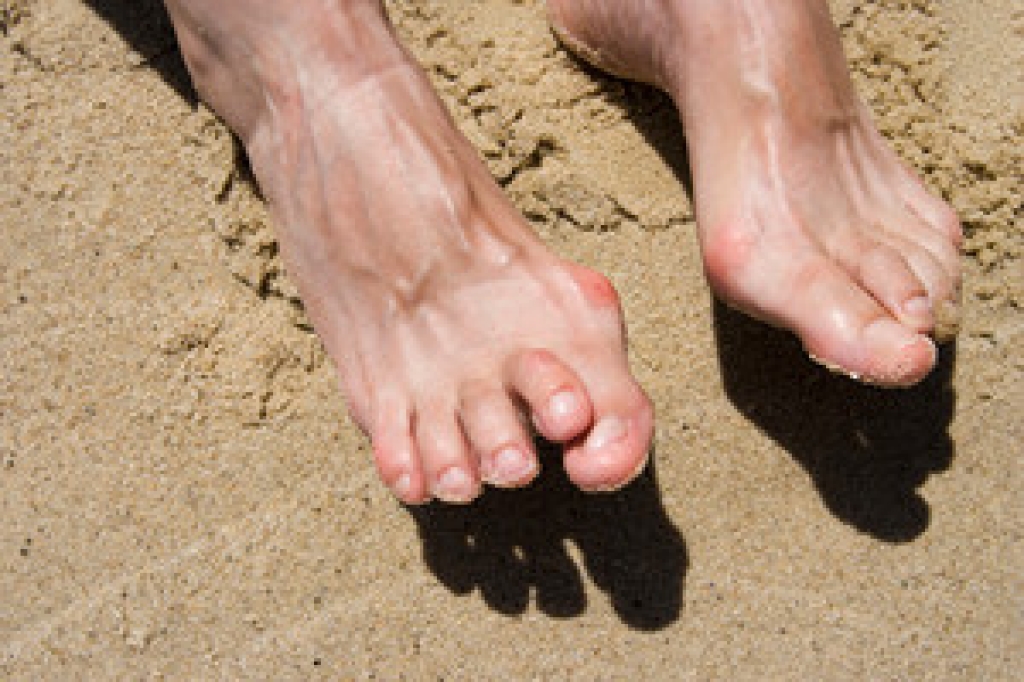
Mallet toe is another name for the foot condition that is known as hammertoe. It is an ailment that prevents the toes from straightening out, and they can bend at a downward angle. The toes that are generally affected are the second, third, or fourth toes, and in severe cases, surgery may be necessary to restore the toes back to a normal position. The reasons many patients develop hammertoe can include wearing shoes that do not fit correctly, an abnormality in the toe muscles and tendons, or medical conditions such as arthritis. Calluses or corns may form on top of the affected toes, and this can be a result of excess friction that is caused by wearing tight shoes. If you notice the first stages of hammertoe developing, it is strongly suggested that you speak to a podiatrist, who can determine what the best course of treatment is for you.
Hammertoes can be a painful condition to live with. For more information, contact Jeffrey Parrett, DPM of Parrett Podiatry. Our doctor will answer any of your foot- and ankle-related questions.
Hammertoe
Hammertoe is a foot deformity that occurs due to an imbalance in the muscles, tendons, or ligaments that normally hold the toe straight. It can be caused by the type of shoes you wear, your foot structure, trauma, and certain disease processes.
Symptoms
Painful and/or difficult toe movement
Swelling
Joint stiffness
Calluses/Corns
Physical deformity
Risk Factors
Age – The risk of hammertoe increases with age
Sex – Women are more likely to have hammertoe compared to men
Toe Length – You are more likely to develop hammertoe if your second toe is longer than your big toe
Certain Diseases – Arthritis and diabetes may make you more likely to develop hammertoe
Treatment
If you have hammertoe, you should change into a more comfortable shoe that provides enough room for your toes. Exercises such as picking up marbles may strengthen and stretch your toe muscles. Nevertheless, it is important to seek assistance from a podiatrist in order to determine the severity of your hammertoe and see which treatment option will work best for you.
If you have any questions, please feel free to contact our office located in Waxahachie, TX. We offer the newest diagnostic and treatment technologies for all your foot care needs.
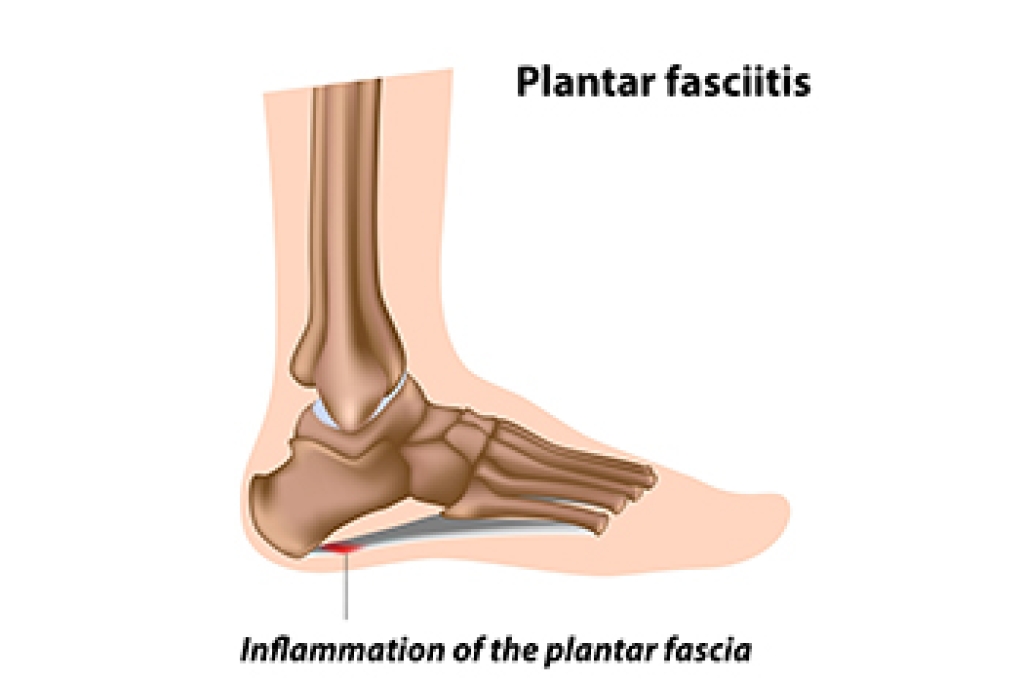
Plantar fasciitis is caused by inflammation of the plantar fascia, a thick band of tissue connecting the heel to the toes. Risk factors include obesity, prolonged standing, high impact activities, flat feet, high arches, and tight calf muscles. Symptoms often involve sharp heel pain, especially with the first steps in the morning or after periods of rest, as well as swelling and stiffness. Causes include overuse, poor footwear, sudden increases in activity, or biomechanical imbalances. A podiatrist can diagnose the condition, recommend supportive footwear or orthotics, provide stretching exercises, and offer treatments to reduce inflammation and restore mobility. If you have heel pain, it is strongly suggested that you promptly contact a podiatrist who can accurately diagnose and treat what may be going on.
Plantar fasciitis can be very painful and inconvenient. If you are experiencing heel pain or symptoms of plantar fasciitis, contact Jeffrey Parrett, DPM from Parrett Podiatry. Our doctor can provide the care you need to keep you pain-free and on your feet.
What Is Plantar Fasciitis?
Plantar fasciitis is the inflammation of the thick band of tissue that runs along the bottom of your foot, known as the plantar fascia, and causes mild to severe heel pain.
What Causes Plantar Fasciitis?
Excessive running
Non-supportive shoes
Overpronation
Repeated stretching and tearing of the plantar fascia
Shockwave therapy – sound waves are sent to the affected area to facilitate healing and are usually used for chronic cases of plantar fasciitis
Surgery – usually only used as a last resort when all else fails. The plantar fascia can be surgically detached from the heel
While very treatable, plantar fasciitis is definitely not something that should be ignored. Especially in severe cases, speaking to your doctor right away is highly recommended to avoid complications and severe heel pain. Your podiatrist can work with you to provide the appropriate treatment options tailored to your condition.
If you have any questions, please feel free to contact our office located in Waxahachie, TX. We offer the newest diagnostic and treatment technologies for all your foot care needs.
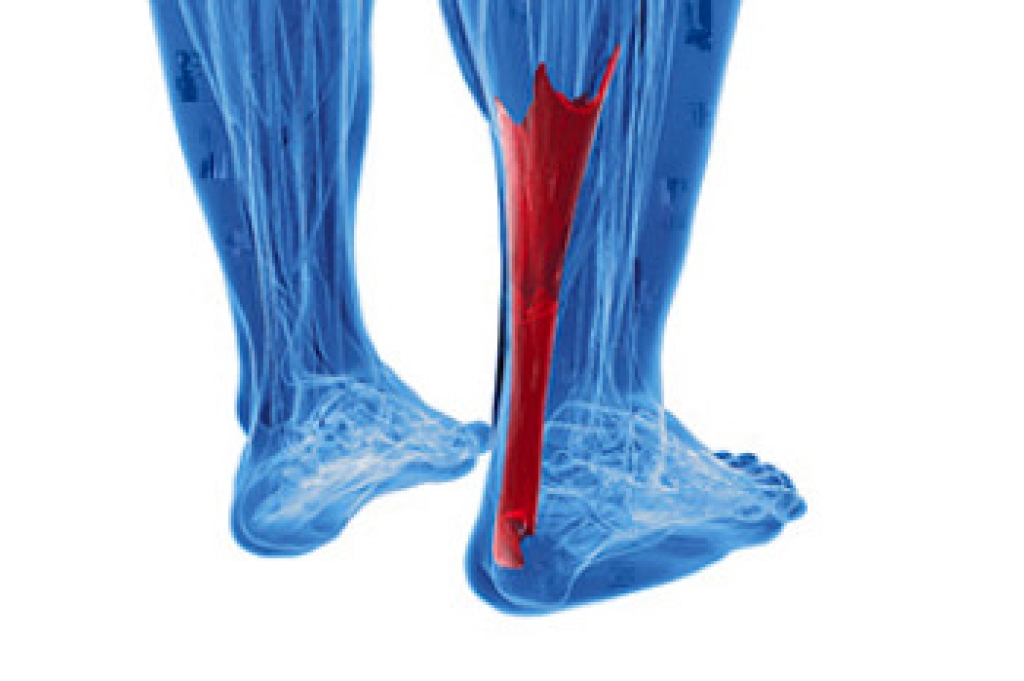
Achilles tendonitis occurs when the thick tendon that connects the calf muscles to the heel bone becomes inflamed from overuse or strain. This tendon plays a key role in walking, running, and pushing off the toes, which makes it vulnerable to injury from repetitive motion or sudden increases in activity. Common causes of Achilles tendonitis include running on hard surfaces, training without proper warm-up, and wearing shoes that lack adequate support. Flat feet, bone spurs on the heel, and certain health conditions can increase the risk of Achilles tendon irritation. Symptoms include pain or stiffness in the back of the ankle, swelling, warmth, and difficulty standing on the toes. Morning stiffness is especially common. If left untreated, inflammation may progress to tendinosis, where the tendon begins to degenerate. In severe cases, a rupture may occur and require surgery. If you are experiencing symptoms of Achilles tendonitis, it is suggested that you make an appointment with a podiatrist for an exam and treatment.
Achilles tendon injuries need immediate attention to avoid future complications. If you have any concerns, contact Jeffrey Parrett, DPM of Parrett Podiatry. Our doctor can provide the care you need to keep you pain-free and on your feet.
What Is the Achilles Tendon?
The Achilles tendon is a tendon that connects the lower leg muscles and calf to the heel of the foot. It is the strongest tendon in the human body and is essential for making movement possible. Because this tendon is such an integral part of the body, any injuries to it can create immense difficulties and should immediately be presented to a doctor.
What Are the Symptoms of an Achilles Tendon Injury?
There are various types of injuries that can affect the Achilles tendon. The two most common injuries are Achilles tendinitis and ruptures of the tendon.
Achilles Tendinitis Symptoms
Inflammation
Dull to severe pain
Increased blood flow to the tendon
Thickening of the tendon
Rupture Symptoms
Extreme pain and swelling in the foot
Total immobility
Treatment and Prevention
Achilles tendon injuries are diagnosed by a thorough physical evaluation, which can include an MRI. Treatment involves rest, physical therapy, and in some cases, surgery. However, various preventative measures can be taken to avoid these injuries, such as:
Thorough stretching of the tendon before and after exercise
Strengthening exercises like calf raises, squats, leg curls, leg extensions, leg raises, lunges, and leg presses
If you have any questions please feel free to contact our office located in Waxahachie, TX. We offer the newest diagnostic tools and technology to treat your foot and ankle needs.
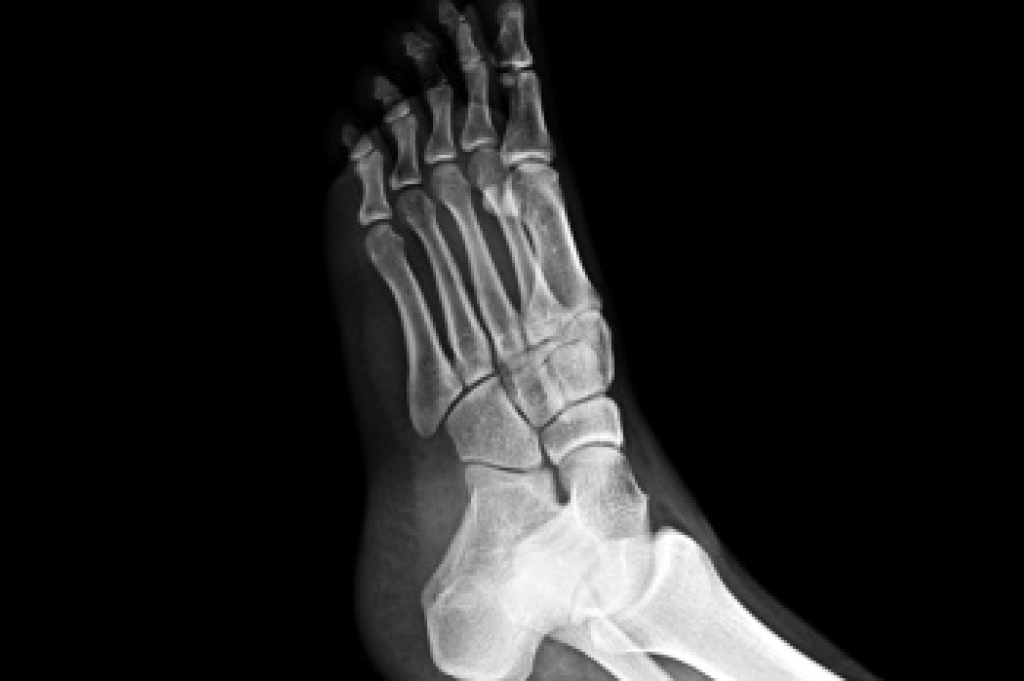
Stress fractures in the feet are hairline cracks in the bone that often develop from repetitive force, rather than a single traumatic event. Stress fractures generally occur in the long bones of the foot, which endure significant impact during walking, running, and jumping. Overtraining, sudden increases in activity, or inadequate rest between workouts raise the risk. Foot structure also plays a role, with flat feet, high arches, or rigid arches contributing to uneven distribution of pressure that can stress certain bones. People with osteoporosis or low bone density are at higher risk, and nutritional deficiencies, such as inadequate calcium or vitamin D, may weaken bone strength. A podiatrist can confirm a diagnosis through examination and imaging, recommend appropriate footwear or orthotics, and advise whether surgery is required in severe cases. If you have symptoms of stress fractures in your feet, it is suggested that you make an appointment with a podiatrist for an exam, diagnosis, and treatment.
Stress fractures occur when there is a tiny crack within a bone. To learn more, contact Jeffrey Parrett, DPM from Parrett Podiatry. Our doctor can provide the care you need to keep you pain free and on your feet.
How Are They Caused?
Stress fractures are the result of repetitive force being placed on the bone. Since the lower leg and feet often carry most of the body’s weight, stress fractures are likely to occur in these areas. If you rush into a new exercise, you are more likely to develop a stress fracture since you are starting too much, too soon. Pain resulting from stress fractures may go unnoticed at first, however it may start to worsen over time.
Risk Factors
Gender – They are more commonly found in women compared to men.
Foot Problems – People with unusual arches in their feet are more likely to develop stress fractures.
Certain Sports – Dancers, gymnasts, tennis players, runners, and basketball players are more likely to develop stress fractures.
Lack of Nutrients – A lack of vitamin D and calcium may weaken the bones and make you more prone to stress fractures
Weak Bones – Osteoporosis can weaken the bones therefore resulting in stress fractures
Stress fractures do not always heal properly, so it is important that you seek help from a podiatrist if you suspect you may have one. Ignoring your stress fracture may cause it to worsen, and you may develop chronic pain as well as additional fractures.
If you have any questions please contact our office located in Waxahachie, TX. We offer the newest diagnostic and treatment technologies for all your foot and ankle needs.