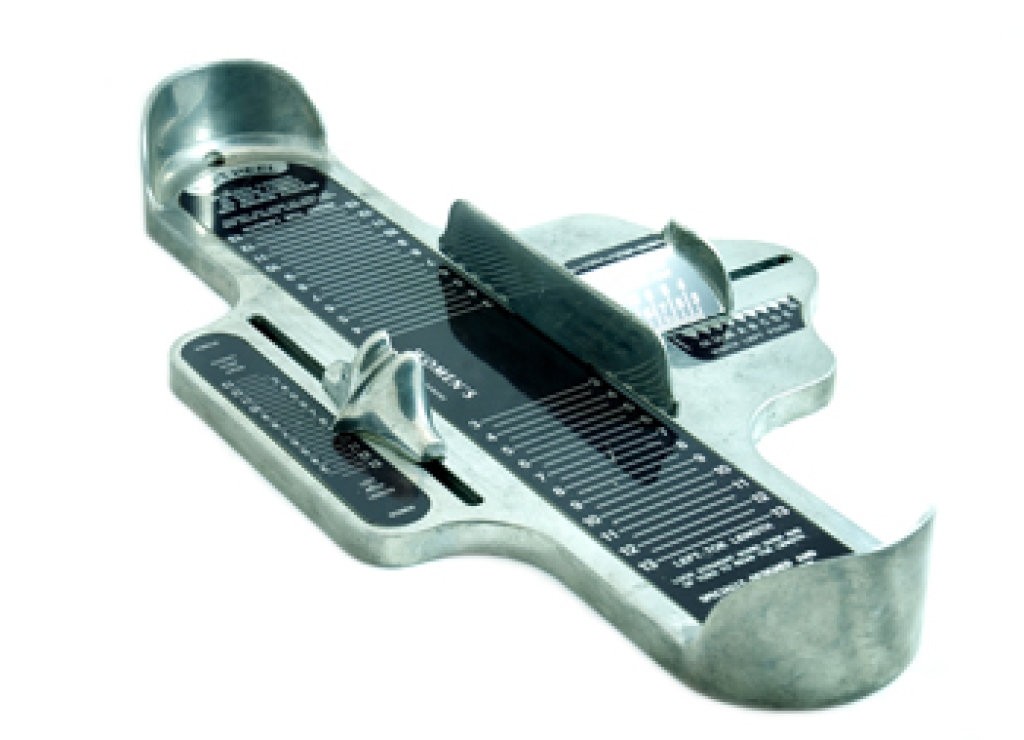
Using a Brannock Device to Measure Feet

Measuring feet correctly using a Brannock device ensures that shoes fit properly, providing comfort and reducing the risk of foot problems. Begin by having the person stand upright with their weight evenly distributed on both feet. Place the Brannock device under the feet with the heel against the heel cup. Slide the arch gauge so that it rests just under the arch of the foot, ensuring it is snug but not tight. The length measurement is taken by sliding the heel piece to the back of the heel and reading the number on the scale. For width, use the sidebars to measure across the widest part of the foot, typically around the ball. Repeat the process for both feet, as one foot may be slightly larger than the other. These accurate measurements help in selecting the right shoe size for optimal fit and comfort. Wearing shoes that do not fit correctly can cause foot pain. If this has happened to you, it is suggested that you consult a podiatrist who can offer you treatment solutions and guide you on how to obtain the right shoe size.

Finding a properly-fitting shoe is important in reducing injuries and preventing foot problems. For more information about treatment, contact Jeffrey Parrett, DPM from Parrett Podiatry. Our doctor will treat your foot and ankle needs.

Proper Shoe Fitting

A common concern when it comes to foot health, having properly fitted shoes can help prevent injuries to the foot. Out feet affect our posture and gait, which in turn affects the biomechanics and overall bodily structure. With 33 joints, 26 bones, and over 100 ligaments, the potential for serious injury is much greater than one realizes. Although the feet cease growth in adulthood, they still change shape as they mature. Here are some factors to consider when it comes to investing in proper fitting shoes:

  • Be sure the shoes fit correctly right away
  • Ensure the ball of your foot fits comfortably in the widest portion of the shoes
  • Even though they may look fashionable, improper fitting shoes can either create adverse conditions or exacerbate existing ones you may already have
  • Walk along a carpeted surface to ensure the shoes comfortably fit during normal activity

Keeping in mind how shoes fit the biomechanics of your body, properly-fitting shoes are vitally important. Fortunately, it is not difficult to acquire footwear that fits correctly. Be sure to wear shoes that support the overall structure of your body. Do your feet a favor and invest in several pairs of well-fitted shoes today.

If you have any questions, please feel free to contact our office located in Waxahachie, TX . We offer the newest diagnostic and treatment technologies for all your foot care needs.

Read more about Proper Shoe Fitting

Understanding Falls in Older Adults

Falls are a significant concern for older adults, often resulting from a combination of factors such as muscle weakness, balance issues, and environmental hazards like uneven surfaces or poor lighting. Health conditions, medications, and vision impairments can also increase the risk of falling. The fear of falling can create a cycle of anxiety, leading to reduced activity and further physical decline. This fear often results in avoidance behaviors that limit mobility and social interaction, ultimately impacting overall well-being. Addressing both the physical and psychological aspects of falling is essential. Engaging in strength and balance exercises can help improve stability, while education about preventing falls can empower older adults to navigate their environments safely. Falling can seriously impact the feet and ankles. If you have sustained a foot or ankle injury as a result of falling, it is suggested that you consult a podiatrist who can offer effective treatment and fall prevention tips.

Preventing falls among the elderly is very important. If you are older and have fallen or fear that you are prone to falling, consult with Jeffrey Parrett, DPM from Parrett Podiatry. Our doctor will assess your condition and provide you with quality advice and care.

Every 11 seconds, an elderly American is being treated in an emergency room for a fall related injury. Falls are the leading cause of head and hip injuries for those 65 and older. Due to decreases in strength, balance, senses, and lack of awareness, elderly persons are very susceptible to falling. Thankfully, there are a number of things older persons can do to prevent falls.

How to Prevent Falls

Some effective methods that older persons can do to prevent falls include:

  • Enrolling in strength and balance exercise program to increase balance and strength
  • Periodically having your sight and hearing checked
  • Discuss any medications you have with a doctor to see if it increases the risk of falling
  • Clearing the house of falling hazards and installing devices like grab bars and railings
  • Utilizing a walker or cane
  • Wearing shoes that provide good support and cushioning
  • Talking to family members about falling and increasing awareness

Falling can be a traumatic and embarrassing experience for elderly persons; this can make them less willing to leave the house, and less willing to talk to someone about their fears of falling. Doing such things, however, will increase the likelihood of tripping or losing one’s balance. Knowing the causes of falling and how to prevent them is the best way to mitigate the risk of serious injury.  

If you have any questions, please feel free to contact our office located in Waxahachie, TX . We offer the newest diagnostic and treatment technologies for all your foot care needs.
Read more about Falls Prevention

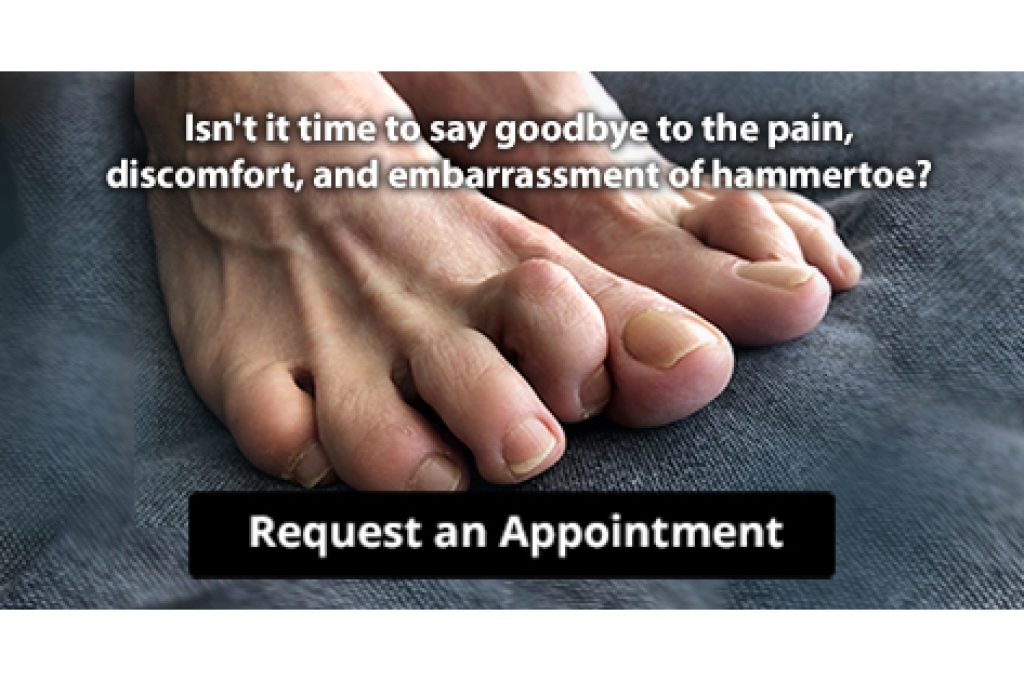
Do You Suffer From Painful Feet?

Painful deformities, such as hammertoes, can be treated. Stop living with foot pain, and have beautiful feet again!

Managing Cracked Heels

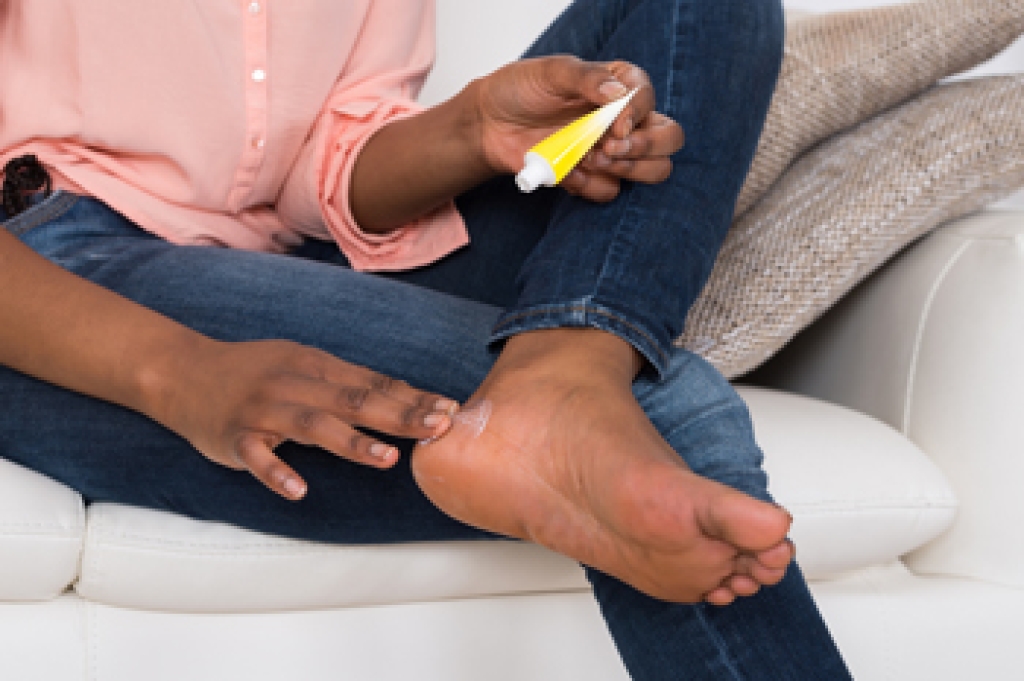
Cracked heels are a common issue that can lead to discomfort, pain, and in severe cases, infection. Cracked heels develop when thickened skin on the heels, called calluses, becomes dry and splits open due to pressure from walking or standing. This is particularly common in people with diabetes or circulation issues, like peripheral artery disease. Callused skin first develops as a protective response to friction and pressure, but it can crack if it becomes too dry. The subsequent heel fissures can cause discomfort, make walking difficult and increase the chances of infection. A podiatrist can help by carefully debriding thickened calluses to reduce pressure and advising on proper foot care and moisturizing techniques. This foot doctor can also determine if you have any underlying issues that may need medical attention. Such a proactive approach can help reduce the risk of complications and promote foot health. If you have problematic cracked heels, it is suggested that you schedule an appointment with a podiatrist for an exam and treatment.

Cracked heels are unsightly and can cause further damage to your shoes and feet. If you have any concerns, contact Jeffrey Parrett, DPM from Parrett Podiatry. Our doctor can provide the care you need to keep you pain-free and on your feet.

Cracked Heels

Cracked heels appear unappealing and can make it harder for you walk around in sandals. Aside from looking unpleasant, cracked heels can also tear stockings, socks, and wear out your shoes. There are several methods to help restore a cracked heel and prevent further damage.

How Do You Get Them?

Dry skin is the number one culprit in creating cracked heels. Many athletes, walkers, joggers, and even swimmers suffer from cracked heels. Age and skin oil production play a role to getting cracked heels as well.

Promote Healing

Over the counter medicines can help, especially for those that need instant relief or who suffer from chronic dry feet.

Wear Socks – Wearing socks with medicated creams helps lock in moisture.

Moisturizers – Applying both day and night will help alleviate dryness which causes cracking.

Pumice Stones – These exfoliate and remove dead skin, which allows for smoother moisturizer application and better absorption into the skin. 

Change in Diet

Eating healthy with a well-balanced diet will give the skin a fresh and radiant look. Your body responds to the kinds of food you ingest. Omega-3 fatty acids and zinc supplements can also revitalize skin tissue.

Most importantly, seek professional help if unsure how to proceed in treating cracked heels. A podiatrist will help you with any questions or information needed. 

If you have any questions, please feel free to contact our office located in Waxahachie, TX . We offer the newest diagnostic and treatment technologies for all your foot care needs.
Read more about Solutions for Cracked Heels

Surgical Methods for Ingrown Toenails

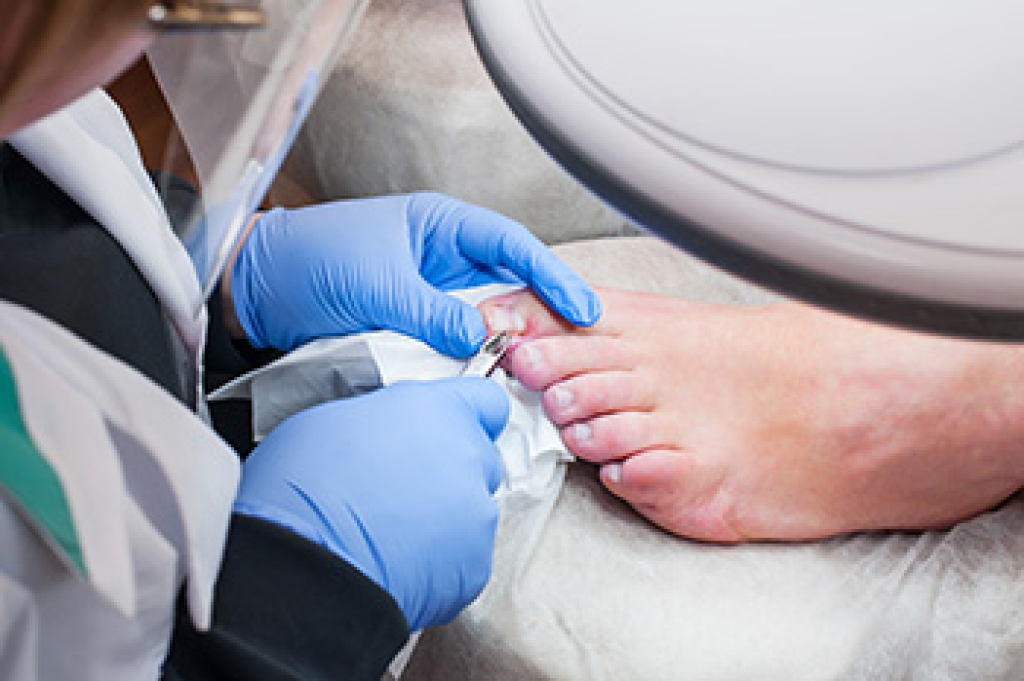
Surgery for ingrown toenails is often necessary when conservative treatments fail to alleviate the pain and discomfort caused by the condition. Ingrown toenails occur when the edge of a toenail grows into the surrounding skin, typically affecting the big toe. This can lead to redness, swelling, severe pain and sometimes infection. A podiatrist can assess the severity of your ingrown toenail and may recommend a surgical procedure to remove part or all of the affected nail. In some cases, a portion of the nail’s matrix, or root, may also be removed to prevent regrowth. The procedure, which is usually done under local anesthesia, helps reduce the chances of recurrence. After surgery, patients are given guidelines for post-operative care to ensure proper healing and reduce the risk of infection. If you have developed a severely ingrown toenail, it is suggested that you promptly schedule an appointment with a podiatrist to see if nail removal is right for you.

Foot surgery is sometimes necessary to treat a foot ailment. To learn more, contact Jeffrey Parrett, DPM of Parrett Podiatry. Our doctor will assist you with all of your foot and ankle needs.

When Is Surgery Necessary?

Foot and ankle surgery is generally reserved for cases in which less invasive, conservative procedures have failed to alleviate the problem. Some of the cases in which surgery may be necessary include:

  • Removing foot deformities like bunions and bone spurs
  • Severe arthritis that has caused bone issues
  • Cosmetic reconstruction

What Types of Surgery Are There?

The type of surgery you receive will depend on the nature of the problem you have. Some of the possible surgeries include:

  • Bunionectomy for painful bunions
  • Surgical fusion for realignment of bones
  • Neuropathy decompression surgery to treat nerve damage

Benefits of Surgery

Although surgery is usually a last resort, it can provide more complete pain relief compared to non-surgical methods and may allow you to finally resume full activity.

Surgical techniques have also become increasingly sophisticated. Techniques like endoscopic surgery allow for smaller incisions and faster recovery times.

If you have any questions, please feel free to contact our office located in Waxahachie, TX . We offer the newest diagnostic and treatment technologies for all your foot care needs.

Read more about Foot and Ankle Surgery
scroll to top