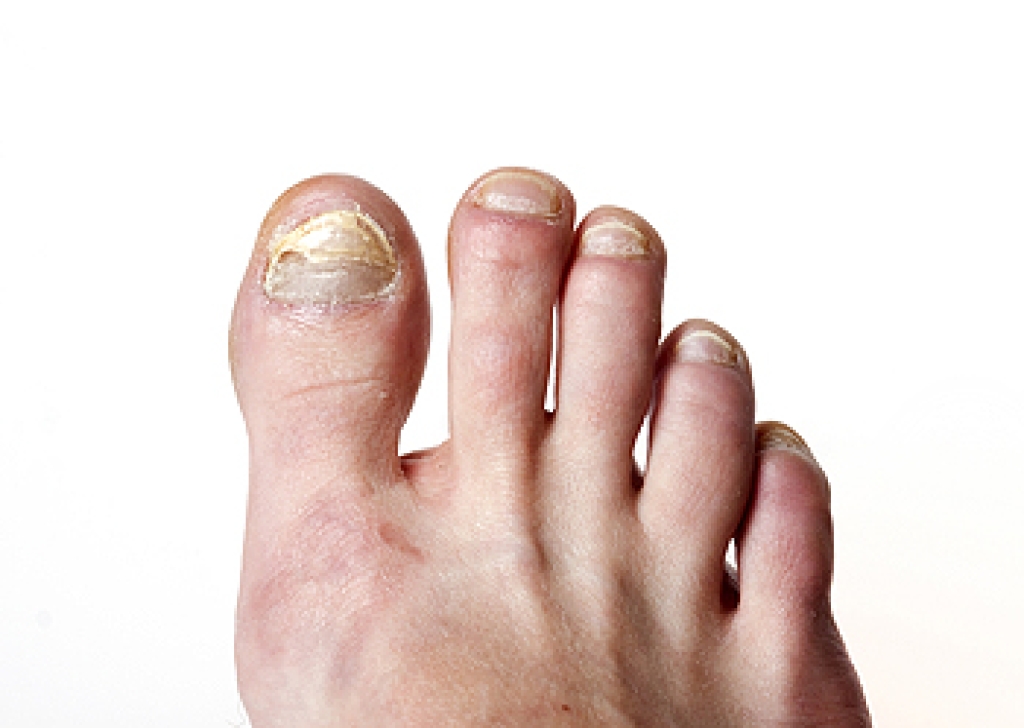
What Causes Toenails to Become Thick

Thick toenails can develop for several reasons, and understanding the cause helps guide proper treatment. One of the most frequent reasons is a fungal infection, which can make the nail appear yellow, brittle, and difficult to trim. Repeated trauma from wearing tight shoes or stubbing the toe can also cause the nail to thicken as it tries to protect itself. Aging naturally slows nail growth and can change texture over time. In some cases, medical conditions such as psoriasis or poor circulation may contribute to nail thickening. A podiatrist can identify the cause through examination and testing, then recommend the right treatment, which may include antifungal medication, nail debridement, or improved footwear. If your toenails have become thick, painful, or hard to manage, it is suggested that  you seek care from a podiatrist to restore nail health and prevent future problems.

If left untreated, toenail fungus may spread to other toenails, skin, or even fingernails. If you suspect you have toenail fungus it is important to seek treatment right away. For more information about treatment, contact Jeffrey Parrett, DPM of Parrett Podiatry. Our doctor can provide the care you need to keep you pain-free and on your feet.

Symptoms

  • Warped or oddly shaped nails
  • Yellowish nails
  • Loose/separated nail
  • Buildup of bits and pieces of nail fragments under the nail
  • Brittle, broken, thickened nail

Treatment

If self-care strategies and over-the-counter medications does not help your fungus, your podiatrist may give you a prescription drug instead. Even if you find relief from your toenail fungus symptoms, you may experience a repeat infection in the future.

Prevention

In order to prevent getting toenail fungus in the future, you should always make sure to wash your feet with soap and water. After washing, it is important to dry your feet thoroughly especially in between the toes. When trimming your toenails, be sure to trim straight across instead of in a rounded shape. It is crucial not to cover up discolored nails with nail polish because that will prevent your nail from being able to “breathe”.

In some cases, surgical procedure may be needed to remove the toenail fungus. Consult with your podiatrist about the best treatment options for your case of toenail fungus.  

If you have any questions please contact our office located in Waxahachie, TX . We offer the newest diagnostic and treatment technologies for all your foot and ankle needs.

Read more about Treating Toenail Fungus

Foot Problems in Soccer Players

Soccer players put their feet under constant stress, which can lead to several common problems. Scrapes may occur from contact with the ground or another player. Athlete’s foot is a fungal infection that thrives in damp shoes, causing itching and redness. Blisters form from friction between the skin and cleats, while calluses develop as thickened skin from repeated pressure. Ingrown toenails can result from improper nail trimming or tight footwear, causing pain and swelling. Prevention includes wearing well-fitted cleats, keeping feet clean and dry, and trimming nails correctly. A podiatrist can diagnose and treat these issues, while offering personalized advice for prevention. If you enjoy playing soccer, and have developed foot or ankle pain, it is suggested that you schedule an appointment with a podiatrist who can treat various issues of this nature. 

Sports related foot and ankle injuries require proper treatment before players can go back to their regular routines. For more information, contact Jeffrey Parrett, DPM of Parrett Podiatry. Our doctor can provide the care you need to keep you pain-free and on your feet.

Sports Related Foot and Ankle Injuries

Foot and ankle injuries are a common occurrence when it comes to athletes of any sport. While many athletes dismiss the initial aches and pains, the truth is that ignoring potential foot and ankle injuries can lead to serious problems. As athletes continue to place pressure and strain the area further, a mild injury can turn into something as serious as a rupture and may lead to a permanent disability. There are many factors that contribute to sports related foot and ankle injuries, which include failure to warm up properly, not providing support or wearing bad footwear. Common injuries and conditions athletes face, including:

  • Plantar Fasciitis
  • Achilles Tendinitis
  • Achilles Tendon Rupture
  • Ankle Sprains

Sports related injuries are commonly treated using the RICE method. This includes rest, applying ice to the injured area, compression and elevating the ankle. More serious sprains and injuries may require surgery, which could include arthroscopic and reconstructive surgery. Rehabilitation and therapy may also be required in order to get any recovering athlete to become fully functional again. Any unusual aches and pains an athlete sustains must be evaluated by a licensed, reputable medical professional.

If you have any questions please contact our office located in Waxahachie, TX . We offer the newest diagnostic and treatment technologies for all your foot and ankle needs.
Read more about Sports Related Foot And Ankle Injuries

Inherited Palmoplantar Keratodermas and Their Effects on the Feet

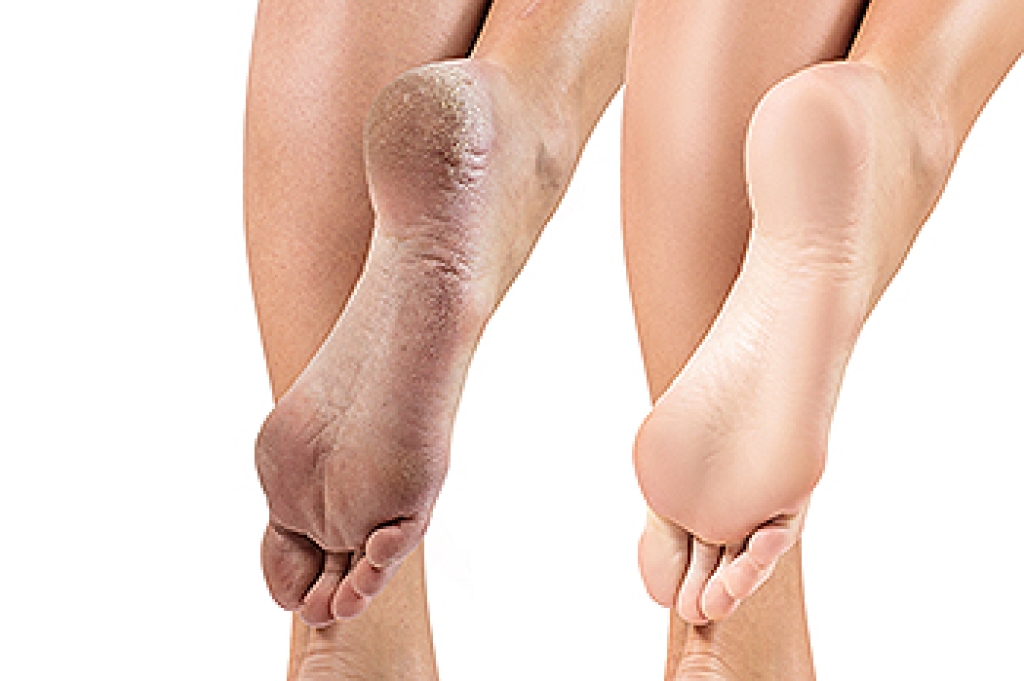
Palmoplantar keratodermas are a group of inherited conditions that cause thickening of the skin on the palms of the hands and the soles of the feet. The skin may appear yellowish, hardened, or cracked, which can make walking painful and daily activities uncomfortable. In some cases, the thickened skin may extend beyond the soles, and fissures can increase the risk of infection. These conditions are genetic, meaning they are passed down through families, and symptoms often begin in childhood. While there is no cure, treatment focuses on reducing discomfort and improving skin health. Regular use of emollients, keratolytic creams, and careful debridement can soften thickened areas. Wearing supportive footwear helps decrease pressure and friction. If painful skin changes are limiting your mobility or quality of life, it is suggested that you consult a podiatrist for evaluation and guidance on long-term management. 

Some foot conditions may require additional professional care. If you have any concerns, contact Jeffrey Parrett, DPM of Parrett Podiatry. Our doctor can provide the care you need to keep you pain-free and on your feet.

Rare Foot Conditions

The majority of foot conditions are common and can be treated by a podiatrist.  Standard diagnostic procedures are generally used to identify specific conditions and treatment can be rendered. A podiatrist also treats rare foot conditions which can be difficult to diagnose and may need extra attention and care. 

There are many rare foot conditions that can affect children. Some of these can include:

  • Freiberg’s disease
  • Kohler’s disease
  • Maffucci syndrome

Freiberg’s disease - This can be seen as a deterioration and flattening of a metatarsal bone that exists in the ball of the foot. It typically affects pre-teen and teenage girls, but can affect anyone at any age. Symptoms that can accompany this can be swelling, stiffness, and the patient may limp. 

Kohler’s disease - This often targets the bone in the arch of the foot and affects younger boys. It can lead to an interruption of the blood supply which ultimately can lead to bone deterioration. The patient may limp or experience tenderness, swelling, and redness.

Maffucci syndrome - This affects the long bones in a child’s foot leading to the development of abnormal bone lesions. They are benign growths and typically develop in early childhood and the bones may be susceptible to breaking. 

A podiatrist can properly diagnose and treat all types of rare foot conditions. If your child is affected by any of these symptoms or conditions, please don’t hesitate to call our office so the correct treatment method can begin.

If you have any questions, please feel free to contact our office located in Waxahachie, TX . We offer the newest diagnostic and treatment technologies for all your foot care needs.

Read more about Rare Foot Conditions

Who Is Affected by Sever’s Disease?

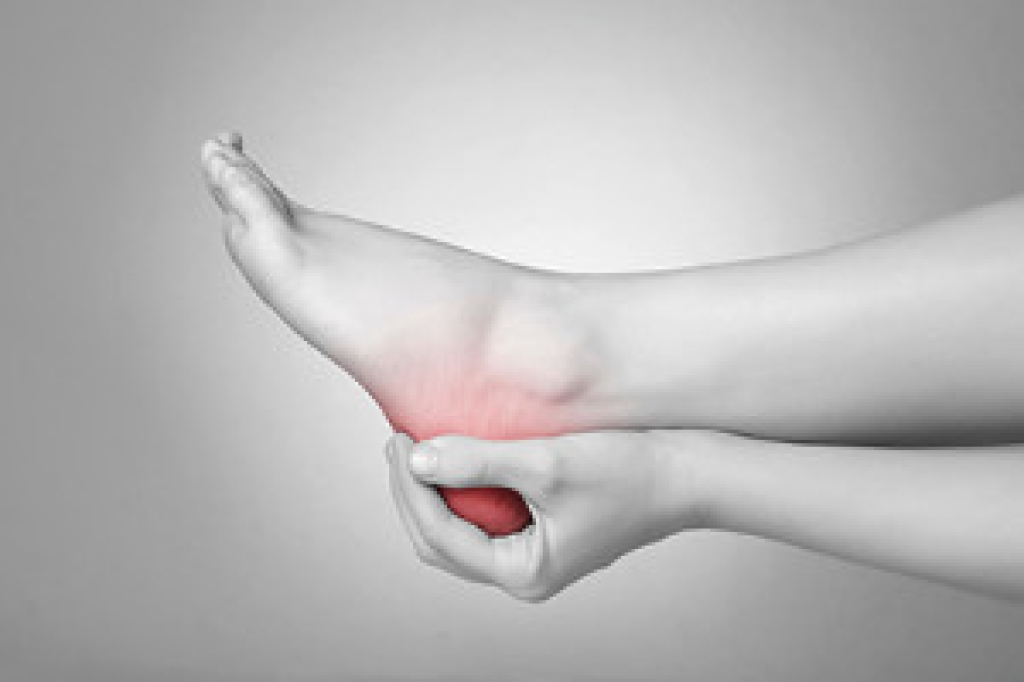
Children and young teenagers who complain of heel pain may be experiencing a condition known as Sever’s disease. This condition is defined as inflammation in the growth plate of the heel due to repetitive force. It can affect children who frequently participate in running and jumping activities, such as soccer, basketball, or gymnastics. Early recognition and treatment is most effective with Sever’s disease. When this condition is managed early on, safe return to play and sports will be more likely. Mild relief can be found when the affected foot is elevate and the activity is temporarily ceased. If your child is limping or complaining of heel pain, it is suggested that you make an appointment with a podiatrist for a diagnosis and treatment options.

Sever's disease often occurs in children and teens. If your child is experiencing foot or ankle pain, see Jeffrey Parrett, DPM from Parrett Podiatry. Our doctor can treat your child’s foot and ankle needs.

Sever’s Disease

Sever’s disease is also known as calcaneal apophysitis, which is a medical condition that causes heel pain I none or both feet. The disease is known to affect children between the ages of 8 and 14.

Sever’s disease occurs when part of the child’s heel known as the growth plate (calcaneal epiphysis) is attached to the Achilles tendon. This area can suffer injury when the muscles and tendons of the growing foot do not keep pace with bone growth. Therefore, the constant pain which one experiences at the back of the heel will make the child unable to put any weight on the heel. The child is then forced to walk on their toes.

Symptoms

Acute pain – Pain associated with Sever’s disease is usually felt in the heel when the child engages in physical activity such as walking, jumping and or running.

Highly active – Children who are very active are among the most susceptible in experiencing Sever’s disease, because of the stress and tension placed on their feet.

If you have any questions, please feel free to contact our office located in Waxahachie, TX . We offer the newest diagnostic and treatment technologies for all your foot care needs.

Read more about Sever's Disease
scroll to top