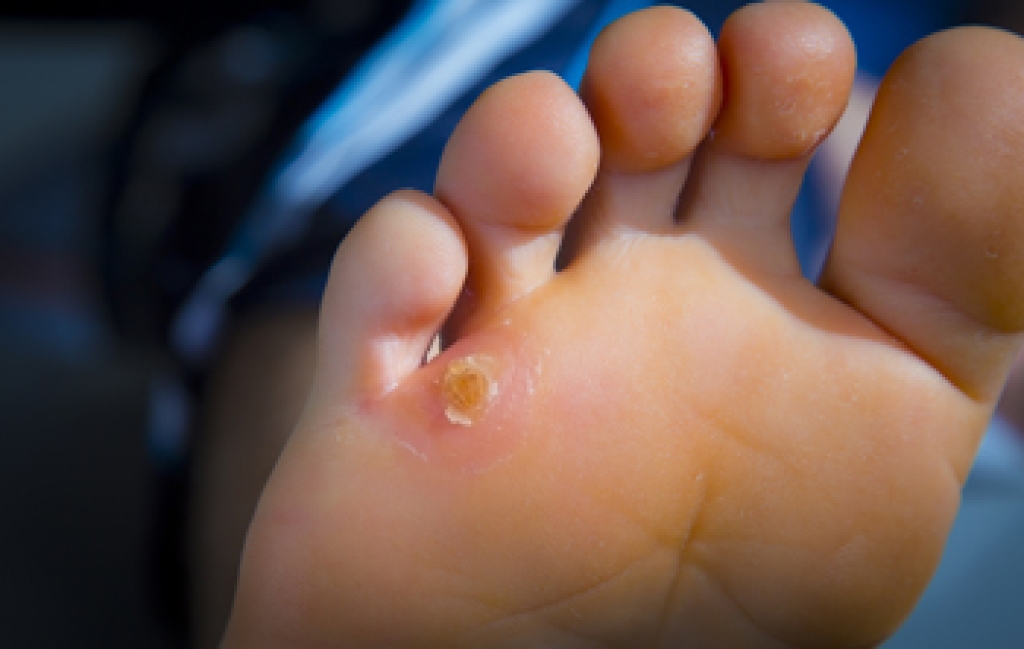
Types and Causes of Corns on the Feet

Corns are thickened areas of skin that form due to constant friction or pressure, often from  wearing tight shoes or abnormal foot structure. The two main types are hard corns and soft corns. Hard corns typically develop on the top or tip of the toes and contain a dense core of dead skin that can cause pain while walking. Soft corns, also called interdigital corns, usually form between the toes, especially the fourth and fifth toes, where moisture keeps them pliable but still painful. Corns differ from calluses in that calluses are larger, flatter, and tend to form on weight-bearing areas such as the balls of the feet. A podiatrist can assess the cause of corns and provide safe treatment by trimming thickened skin, removing the core, or recommending surgery, if necessary. Recurrent or painful corns may indicate underlying foot deformities that can be addressed by a podiatrist. If you have a painful corn on your foot, it is suggested that you schedule an appointment with a podiatrist for safe and sterile treatment.

If you have any concerns regarding your feet and ankles, contact Jeffrey Parrett, DPM of Parrett Podiatry. Our doctor will treat your foot and ankle needs.

Corns: What Are They? and How Do You Get Rid of Them?
Corns can be described as areas of the skin that have thickened to the point of becoming painful or irritating. They are often layers and layers of the skin that have become dry and rough, and are normally smaller than calluses.

Ways to Prevent Corns
There are many ways to get rid of painful corns such as wearing:

  • Well-fitting socks
  • Comfortable shoes that are not tight around your foot
  • Shoes that offer support

Treating Corns
Treatment of corns involves removing the dead skin that has built up in the specific area of the foot. Consult with Our doctor to determine the best treatment option for your case of corns.

If you have any questions, please feel free to contact our office located in Waxahachie, TX . We offer the newest diagnostic and treatment technologies for all your foot care needs.
Read more about Corns: What Are They, and How Do You Get Rid of Them

Facts About Sever’s Disease

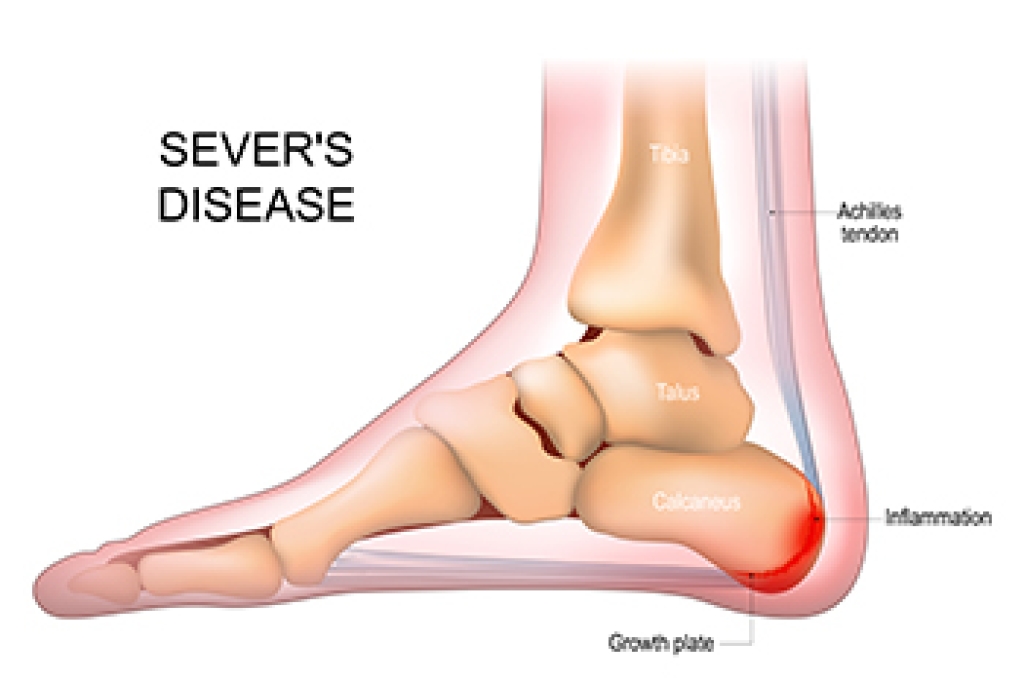
Sever’s disease is a common cause of heel pain in growing children, especially those who are physically active. It occurs when the growth plate in the heel becomes inflamed due to repetitive stress during periods of rapid bone development. The condition often affects children involved in running or jumping activities, as the heel bone grows faster than the surrounding muscles and tendons can stretch. Symptoms include heel pain during or after activity, tenderness, and difficulty walking or running. Pain may worsen with pressure on the back of the heel. Risk factors include participation in sports, poor footwear, tight calf muscles, and a recent growth spurt. If your active child has heel pain, it may be Sever’s disease, and it is suggested that you consult a podiatrist who can accurately diagnose and offer relief tips for this condition.

Sever's disease often occurs in children and teens. If your child is experiencing foot or ankle pain, see Jeffrey Parrett, DPM from Parrett Podiatry. Our doctor can treat your child’s foot and ankle needs.

Sever’s Disease

Sever’s disease is also known as calcaneal apophysitis, which is a medical condition that causes heel pain I none or both feet. The disease is known to affect children between the ages of 8 and 14.

Sever’s disease occurs when part of the child’s heel known as the growth plate (calcaneal epiphysis) is attached to the Achilles tendon. This area can suffer injury when the muscles and tendons of the growing foot do not keep pace with bone growth. Therefore, the constant pain which one experiences at the back of the heel will make the child unable to put any weight on the heel. The child is then forced to walk on their toes.

Symptoms

Acute pain – Pain associated with Sever’s disease is usually felt in the heel when the child engages in physical activity such as walking, jumping and or running.

Highly active – Children who are very active are among the most susceptible in experiencing Sever’s disease, because of the stress and tension placed on their feet.

If you have any questions, please feel free to contact our office located in Waxahachie, TX . We offer the newest diagnostic and treatment technologies for all your foot care needs.
Read more about Sever's Disease

Managing Gait Problems in Children

Gait problems in children often begin with noticeable issues in the feet, toes, or ankles. These may include in-toeing or out-toeing. In-toeing happens when the feet point inward while walking and is often seen in younger children. It may be caused by a curved shape of the foot or the way the leg bones twist inward. Out-toeing, when the feet point outward, is more common in older children and may be due to outward twisting of the leg bones. Some children may also appear flatfooted, meaning the arches of the feet are low or missing, although the foot usually stays flexible. A podiatrist can examine how your child stands and walks to see if their walking pattern falls within normal growth changes. Many children outgrow these issues, but a podiatrist can track their progress to determine if treatment is needed. In rare cases, surgery may be recommended if the gait problem is severe and affects movement. If your child exhibits an unusual or abnormal gait, it is suggested that you schedule an appointment with a podiatrist for an exam, diagnosis, and  appropriate treatment.

Making sure that your children maintain good foot health is very important as they grow. If you have any questions, contact Jeffrey Parrett, DPM of Parrett Podiatry. Our doctor can provide the care you need to keep you pain-free and on your feet.

Keeping Children's Feet Healthy

Having healthy feet during childhood can help prevent medical problems later in life, namely in the back and legs. As children grow, their feet require different types of care. Here are some things to consider...

Although babies do not walk yet, it is still very important to take care of their feet.

Avoid putting tight shoes or socks on his or her feet.

Allow the baby to stretch and kick his or her feet to feel comfortable.

As a toddler, kids are now on the move and begin to develop differently. At this age, toddlers are getting a feel for walking, so don’t be alarmed if your toddler is unsteady or ‘walks funny’. 

As your child gets older, it is important to teach them how to take care of their feet.

Show them proper hygiene to prevent infections such as fungus.

Be watchful for any pain or injury.

Have all injuries checked by a doctor as soon as possible.

Comfortable, protective shoes should always be worn, especially at play.

If you have any questions, please feel free to contact our office located in Waxahachie, TX . We offer the newest diagnostic and treatment technologies for all your foot care needs.

Read more about What to Do to Keep Your Child’s Feet Healthy

How Feet Influence Athletic Performance

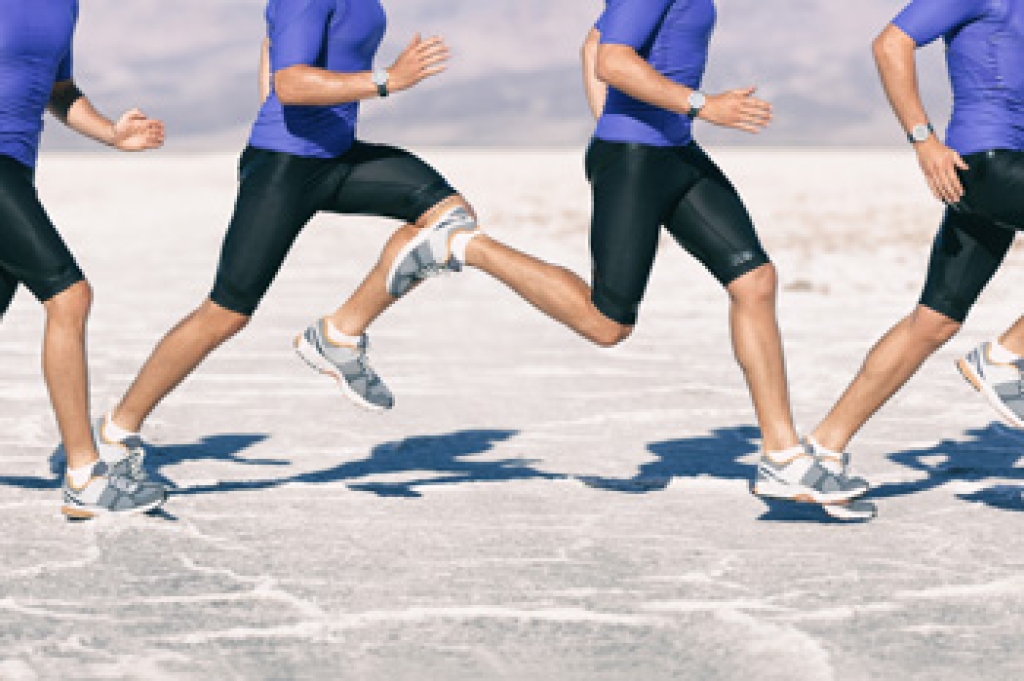
The feet play a vital role in athletic performance by providing shock absorption, stability, and propulsion. They absorb impact forces during activities such as running and jumping, reducing stress on the joints and muscles. Proper foot alignment enhances stability, allowing athletes to maintain balance and control movement efficiently. The way the feet strike the ground affects energy transfer and can influence speed and endurance. A strong push-off from the toes generates power for sprinting, jumping, and sudden changes in direction. Foot mechanics also determine how effectively an athlete can pivot and accelerate. Strengthening the muscles of the feet and wearing appropriate footwear can enhance performance and reduce injury risk. If you participate in sporting activities and have injured your foot or ankle, it is suggested that you contact a podiatrist who can treat various foot conditions, and offer effective injury prevention methods.

If you have any concerns about your feet, contact Jeffrey Parrett, DPM from Parrett Podiatry. Our doctor can provide the care you need to keep you pain-free and on your feet.

Biomechanics in Podiatry

Podiatric biomechanics is a particular sector of specialty podiatry with licensed practitioners who are trained to diagnose and treat conditions affecting the foot, ankle and lower leg. Biomechanics deals with the forces that act against the body, causing an interference with the biological structures. It focuses on the movement of the ankle, the foot and the forces that interact with them.

A History of Biomechanics

  • Biomechanics dates back to the BC era in Egypt where evidence of professional foot care has been recorded.
  • In 1974, biomechanics gained a higher profile from the studies of Merton Root, who claimed that by changing or controlling the forces between the ankle and the foot, corrections or conditions could be implemented to gain strength and coordination in the area.

Modern technological improvements are based on past theories and therapeutic processes that provide a better understanding of podiatric concepts for biomechanics. Computers can provide accurate information about the forces and patterns of the feet and lower legs.

Understanding biomechanics of the feet can help improve and eliminate pain, stopping further stress to the foot.

If you have any questions please feel free to contact our office located in Waxahachie, TX . We offer the newest diagnostic and treatment technologies for all your foot and ankle needs.

Read more about The Importance of Biomechanics in Podiatry

Are You Suffering From Ingrown Toenails?

If left untreated, an ingrown toenail can lead to more serious concerns, such as an infection. Knowing proper nail care can help in the prevention of an ingrown toenail. Give us a call, and get treated!

scroll to top