
Hidden Foot Problems From High Heels

Wearing high heels may enhance posture and confidence, but they often come at the cost of foot health. Prolonged use can lead to metatarsalgia, a painful inflammation in the ball of the foot, as well as Achilles tendon pain due to constant strain. Tight or narrow high heels commonly cause blisters and pressure points that lead to further discomfort. A podiatrist can provide expert care through custom orthotics, stretching regimens, and preventive guidance tailored to your lifestyle. Early intervention can reduce long-term damage and restore comfort. If you are experiencing persistent pain or discomfort from your footwear, it is suggested that you schedule an appointment with a podiatrist to protect your feet and maintain your mobility for years to come.

High heels have a history of causing foot and ankle problems. If you have any concerns about your feet or ankles, contact Jeffrey Parrett, DPM from Parrett Podiatry. Our doctor can provide the care you need to keep you pain-free and on your feet.

Effects of High Heels on the Feet

High heels are popular shoes among women because of their many styles and societal appeal.  Despite this, high heels can still cause many health problems if worn too frequently.

Which Parts of My Body Will Be Affected by High Heels?

  • Ankle Joints
  • Achilles Tendon – May shorten and stiffen with prolonged wear
  • Balls of the Feet
  • Knees – Heels cause the knees to bend constantly, creating stress on them
  • Back – They decrease the spine’s ability to absorb shock, which may lead to back pain.  The vertebrae of the lower back may compress.

What Kinds of Foot Problems Can Develop from Wearing High Heels?

  • Corns
  • Calluses
  • Hammertoe
  • Bunions
  • Morton’s Neuroma
  • Plantar Fasciitis

How Can I Still Wear High Heels and Maintain Foot Health?

If you want to wear high heeled shoes, make sure that you are not wearing them every day, as this will help prevent long term physical problems.  Try wearing thicker heels as opposed to stilettos to distribute weight more evenly across the feet.  Always make sure you are wearing the proper shoes for the right occasion, such as sneakers for exercising.  If you walk to work, try carrying your heels with you and changing into them once you arrive at work.  Adding inserts to your heels can help cushion your feet and absorb shock. Full foot inserts or metatarsal pads are available. 

If you have any questions, please feel free to contact our office located in Waxahachie, TX . We offer the newest diagnostic and treatment technologies for all your foot care needs.

Read more about Effect of High Heels on the Feet

Women and Cracked Heels

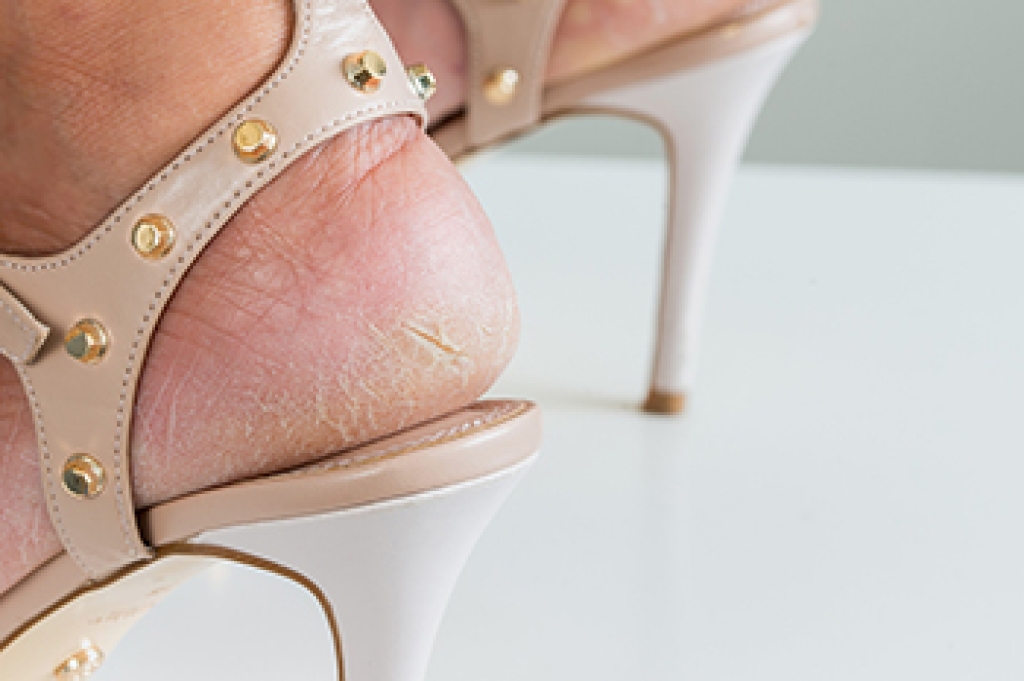
Cracked heels in women are often caused by dry skin, prolonged standing, wearing open-backed shoes, or walking barefoot on hard surfaces. Risk factors include obesity, aging, and medical conditions such as diabetes or eczema, which can worsen skin dryness. Symptoms include rough, flaky skin on the heel, deep fissures, pain, and sometimes bleeding or infection. A podiatrist can assess the severity, remove thickened skin safely, recommend moisturizing treatments, and suggest footwear modifications to prevent recurrence. If you are experiencing persistent cracked heels, it is suggested that you consult a podiatrist for professional care and personalized advice to restore comfort and keep your feet healthy and strong.

Cracked heels are unsightly and can cause further damage to your shoes and feet. If you have any concerns, contact Jeffrey Parrett, DPM from Parrett Podiatry. Our doctor can provide the care you need to keep you pain-free and on your feet.

Cracked Heels

Cracked heels appear unappealing and can make it harder for you walk around in sandals. Aside from looking unpleasant, cracked heels can also tear stockings, socks, and wear out your shoes. There are several methods to help restore a cracked heel and prevent further damage.

How Do You Get Them?

Dry skin is the number one culprit in creating cracked heels. Many athletes, walkers, joggers, and even swimmers suffer from cracked heels. Age and skin oil production play a role to getting cracked heels as well.

Promote Healing

Over the counter medicines can help, especially for those that need instant relief or who suffer from chronic dry feet.

Wear Socks – Wearing socks with medicated creams helps lock in moisture.

Moisturizers – Applying both day and night will help alleviate dryness which causes cracking.

Pumice Stones – These exfoliate and remove dead skin, which allows for smoother moisturizer application and better absorption into the skin. 

Change in Diet

Eating healthy with a well-balanced diet will give the skin a fresh and radiant look. Your body responds to the kinds of food you ingest. Omega-3 fatty acids and zinc supplements can also revitalize skin tissue.

Most importantly, seek professional help if unsure how to proceed in treating cracked heels. A podiatrist will help you with any questions or information needed. 

If you have any questions, please feel free to contact our office located in Waxahachie, TX . We offer the newest diagnostic and treatment technologies for all your foot care needs.

Read more about Solutions for Cracked Heels

Plantar Warts Can Be Treated!

Plantar warts are small growths that develop on parts of the feet that bear weight. They're typically found on the bottom of the foot. Don't live with plantar warts, and call us today!

It's Time for Beautiful Feet

You don't need an excuse to have beautiful nails. Step outside without worrying about the appearance of your feet.

Why Diabetic Foot Ulcers Happen and Who They Affect

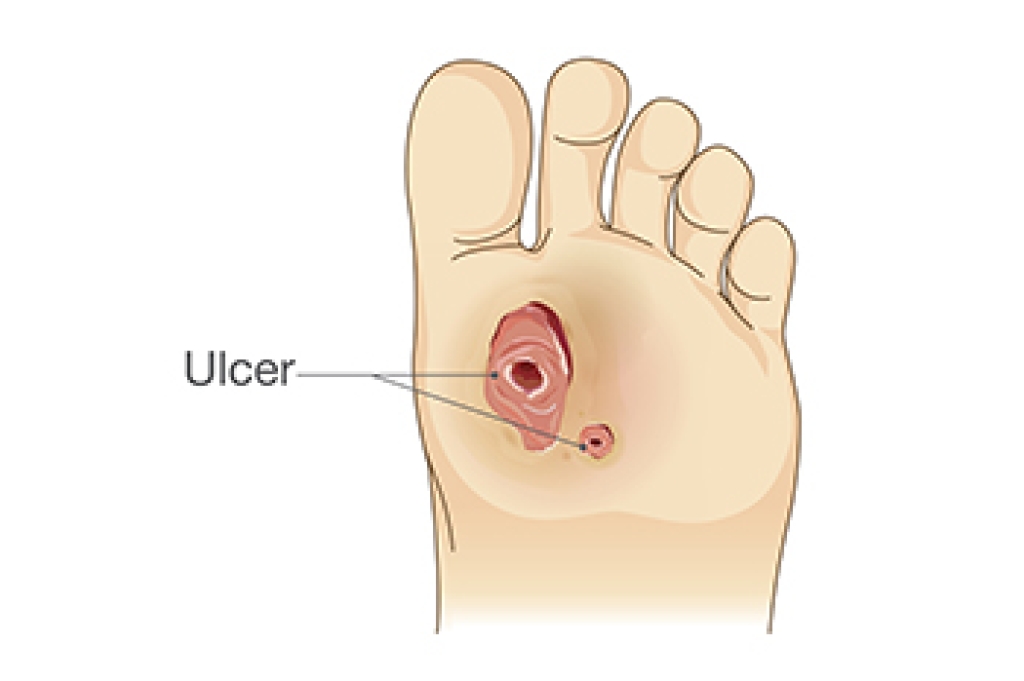
Diabetic foot ulcers are open sores or wounds that can appear on the feet of people with diabetes. They are usually caused by a mix of poor circulation and nerve damage, which can make it hard to feel pain or notice injuries. Over time, even a small cut or pressure point can turn into a serious wound. These ulcers are more common in people who have had diabetes for many years, especially if their blood sugar is not well controlled. If not treated early, foot ulcers can lead to infections or more serious complications, making regular foot care essential. If a diabetic foot ulcer is suspected or is not healing properly, it is suggested that you see a podiatrist for proper evaluation and care.

Diabetic foot care is important in preventing foot ailments such as ulcers. If you are suffering from diabetes or have any other concerns about your feet, contact Jeffrey Parrett, DPM from Parrett Podiatry. Our doctor can provide the care you need to keep you pain-free and on your feet.

Diabetic Foot Care

Diabetes affects millions of people every year. The condition can damage blood vessels in many parts of the body, especially the feet. Because of this, taking care of your feet is essential if you have diabetes, and having a podiatrist help monitor your foot health is highly recommended.

The Importance of Caring for Your Feet

  • Routinely inspect your feet for bruises or sores.
  • Wear socks that fit your feet comfortably.
  • Wear comfortable shoes that provide adequate support.

Patients with diabetes should have their doctor monitor their blood levels, as blood sugar levels play such a huge role in diabetic care. Monitoring these levels on a regular basis is highly advised.

It is always best to inform your healthcare professional of any concerns you may have regarding your feet, especially for diabetic patients. Early treatment and routine foot examinations are keys to maintaining proper health, especially because severe complications can arise if proper treatment is not applied.

If you have any questions, please feel free to contact our office located in Waxahachie, TX . We offer the newest diagnostic and treatment technologies for all your foot care needs.
Read more about Diabetic Foot Care
scroll to top