
Managing Fungal Nail Infections

Fungal infections of the toenails often begin subtly, with slight color changes or surface irregularities, but can progress to thick, brittle, and uncomfortable nails. Because the infection develops beneath the nail plate, it can be challenging to clear without targeted intervention. A podiatrist may suggest medicated creams, prescription tablets, or procedures to reduce nail thickness so treatment can reach the source more effectively. In persistent cases, advanced methods such as laser therapy may be used to disrupt fungal growth. Maintaining clean, dry feet and choosing footwear that allows airflow are important steps in lowering the risk of recurrence. Addressing the problem early improves the chance of restoring healthy nails and preventing further spread. If you observe ongoing changes in your toenails or suspect an infection, it is suggested you arrange an appointment with a podiatrist who can provide appropriate treatment.

For more information about treatment, contact Jeffrey Parrett, DPM of Parrett Podiatry. Our doctor can provide the care you need to keep you pain-free and on your feet.

Toenail Fungus Treatment

Toenail fungus is a condition that affects many people and can be especially hard to get rid of. Fortunately, there are several methods to go about treating and avoiding it.

Antifungals & Deterrence

Oral antifungal medicine has been shown to be effective in many cases. It is important to consult with a podiatrist to determine the proper regiment for you, or potentially explore other options.

Applying foot powder on the feet and shoes helps keep the feet free of moisture and sweat.

Sandals or open toed shoes – Wearing these will allow air movement and help keep feet dry. They also expose your feet to light, which fungus cannot tolerate. Socks with moisture wicking material also help as well.

If you have any questions please contact our office located in Waxahachie, TX . We offer the newest diagnostic and treatment technologies for all your foot and ankle needs.


Read more about Toenail Fungus

Ankle Fracture? Don’t Wait for Treatment

If you're suffering from an ankle fracture, professional attention shouldn't wait. Fractures may worsen over time and can make completing everyday activities incredibly difficult. See your specialist for treatment and guidance through the healing process. 

Protecting Your Feet From Workplace Injuries

Workplace foot injuries can occur in various environments and often result from hazards such as burns, electric shocks, sprained or twisted ankles, and broken bones. Prevention begins with wearing proper footwear that offers support, protection, and slip resistance. Employers should maintain safe working conditions by keeping floors dry, free of debris, and clearly marked. Additionally, safety training can also reduce accidents. If a foot injury occurs, a podiatrist can provide expert diagnosis and care to promote healing, reduce pain, and prevent long-term damage. If you have sustained a foot injury at work, it is suggested that you make an appointment with a podiatrist who can provide treatment and guide you on additional foot protection safety tips for the work environment.

While working on the feet, it is important to take the proper care of them. For more information about working on your feet, contact Jeffrey Parrett, DPM from Parrett Podiatry. Our doctor will treat your foot and ankle needs.

Working on Your Feet

Standing on your feet for long periods of time can cause stress and pain in your feet. Your whole body may experience change in terms of posture, back pain, bunions, callouses and or plantar warts. There are ways to avoid these conditions with proper foot care, smart choices and correct posture.

Positive Changes

Negative heeled shoe – Choosing this shoe type places the heel slightly lower than the ball of the foot. These are great for overall foot health. Find shoes that fit you correctly.

Go barefoot – Our feet were not designed to be enclosed for all hours of the day. Try to periodically expose your feet to air.

Eliminate Pain

Foot Exercises – Performing simple exercises, incorporating yoga and doing stretches are beneficial. This will allow increased blood flow to the area and muscles of the foot.

Achilles tendon – Stretching the foot out flat on the floor will relax the calf muscles and tendon. These exercises can be performed almost anywhere. Make sure you add these exercises to your daily regimen. 

With a little bit of this information and knowing more about foot health, you will notice changes. Foot stretches and proper footwear will help with pain and prevent further issues.

If you have any questions please contact our office located in Waxahachie, TX . We offer the newest diagnostic and treatment technologies for all your foot and ankle needs.
Read more about Working on Your Feet

Recognizing the Symptoms of Flat Feet and Finding Relief

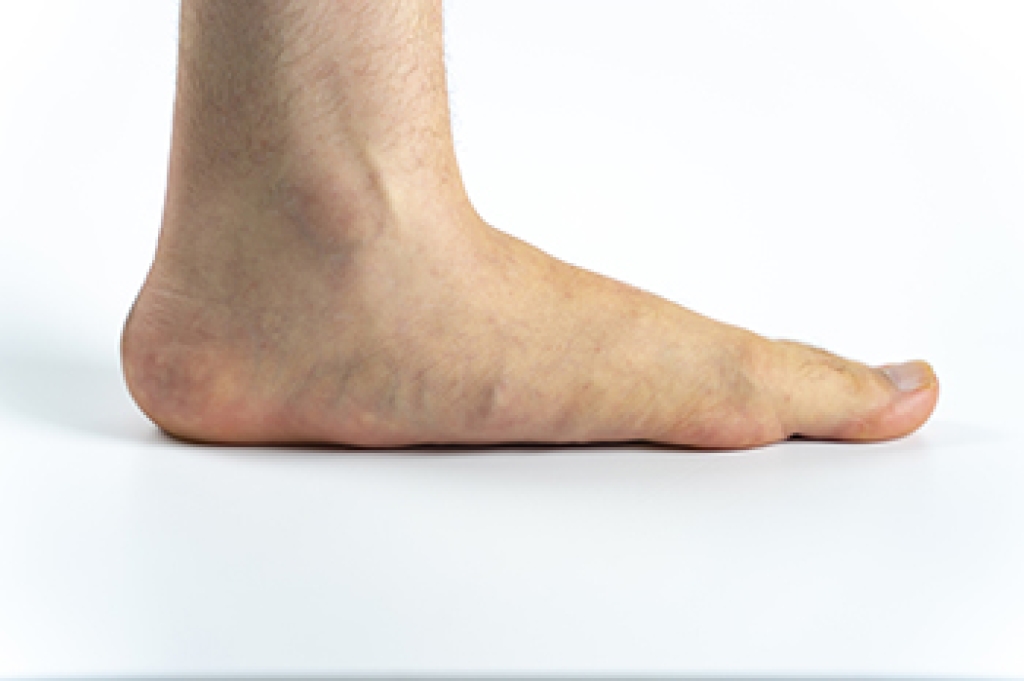
Flat feet occur when the arches of the feet collapse or fail to develop properly, leading to discomfort and mobility issues. Symptoms include arch pain, ankle swelling, stiffness, and aching in the calf muscles after standing or walking for long periods. Causes can include genetics, obesity, pregnancy, or injury that weakens the supporting structures of the foot. A podiatrist can assess the severity of flat feet, provide custom orthotics, recommend supportive footwear, and offer exercises to reduce pain and improve function. Ignoring symptoms can lead to long-term joint strain and difficulty walking. If you have painful flat feet, it is suggested that you seek treatment from a podiatrist.

Flatfoot is a condition many people suffer from. If you have flat feet, contact Jeffrey Parrett, DPM from Parrett Podiatry. Our doctor will treat your foot and ankle needs.

What Are Flat Feet?

Flatfoot is a condition in which the arch of the foot is depressed and the sole of the foot is almost completely in contact with the ground. About 20-30% of the population generally has flat feet because their arches never formed during growth.

Conditions & Problems:

Having flat feet makes it difficult to run or walk because of the stress placed on the ankles.

Alignment – The general alignment of your legs can be disrupted, because the ankles move inward which can cause major discomfort.

Knees – If you have complications with your knees, flat feet can be a contributor to arthritis in that area.  

Symptoms

  • Pain around the heel or arch area
  • Trouble standing on the tip toe
  • Swelling around the inside of the ankle
  • Flat look to one or both feet
  • Having your shoes feel uneven when worn

Treatment

If you are experiencing pain and stress on the foot you may weaken the posterior tibial tendon, which runs around the inside of the ankle. 

If you have any questions, please feel free to contact our office located in Waxahachie, TX . We offer the newest diagnostic and treatment technologies for all your foot care needs.

Read more about Flat Feet

When Ingrown Toenail Surgery Is Needed

Ingrown toenails can be painful and may require surgery if they repeatedly grow into the skin or lead to infection. Ingrown toenail surgery is often considered when conservative care fails or if the nail causes swelling, drainage, or difficulty walking. During this procedure, a podiatrist may remove part or all of the nail, and, in some cases, also treat the nail bed to help prevent the problem from returning. The surgery may also involve removing built-up tissue surrounding the nail or draining infected fluid. To reduce the chance of future issues, the remaining nail edge is shaped to avoid pressing into the surrounding skin. This procedure is usually done under local anesthesia, and the foot must be kept clean afterward to support healing and lower the risk of infection. A podiatrist can evaluate the condition of the toe and determine whether surgery is the best choice for relief. If you have a problem ingrown toenail, it is suggested that you schedule an appointment with a podiatrist for an exam and appropriate treatment options.

Foot surgery is sometimes necessary to treat a foot ailment. To learn more, contact Jeffrey Parrett, DPM of Parrett Podiatry. Our doctor will assist you with all of your foot and ankle needs.

When Is Surgery Necessary?

Foot and ankle surgery is generally reserved for cases in which less invasive, conservative procedures have failed to alleviate the problem. Some of the cases in which surgery may be necessary include:

  • Removing foot deformities like bunions and bone spurs
  • Severe arthritis that has caused bone issues
  • Cosmetic reconstruction

What Types of Surgery Are There?

The type of surgery you receive will depend on the nature of the problem you have. Some of the possible surgeries include:

  • Bunionectomy for painful bunions
  • Surgical fusion for realignment of bones
  • Neuropathy decompression surgery to treat nerve damage

Benefits of Surgery

Although surgery is usually a last resort, it can provide more complete pain relief compared to non-surgical methods and may allow you to finally resume full activity.

Surgical techniques have also become increasingly sophisticated. Techniques like endoscopic surgery allow for smaller incisions and faster recovery times.

If you have any questions, please feel free to contact our office located in Waxahachie, TX . We offer the newest diagnostic and treatment technologies for all your foot care needs.

Read more about Foot Surgery
scroll to top