
Obesity and Its Connection to Foot Pain

Excess body weight places added stress on the feet, which can lead to discomfort and reduced mobility. Research shows that carrying higher fat mass is strongly linked to foot pain, while overall body weight can negatively affect how the foot functions during walking and standing. With obesity rates rising across the globe, problems such as plantar heel pain, tendon strain, and joint stress in the feet are becoming more common. This makes awareness and early intervention especially important. Podiatrists play a key role not only in treating foot pain but also in addressing its contributing factors. By working with patients and collaborating with other health professionals, podiatrists can help manage both the mechanical strain on the feet and the broader health issues connected to weight. If you are experiencing foot pain related to weight, it is suggested that you consult a podiatrist for evaluation and care.

Obesity has become very problematic at this point in time and can have extremely negative effects on the feet. If you’re an obese individual and are concerned about your feet, contact Jeffrey Parrett, DPM from Parrett Podiatry. Our doctor can provide the care you need to keep you pain-free and on your feet.

Obesity and Your Feet

Since your feet are what support your entire weight when standing, any additional weight can result in pain and swelling. Being overweight is one of the main contributors to foot complications.

Problems & Complications

Extra Weight – Even putting on just a few extra pounds could create serious complications for your feet. As your weight increases, your balance and body will shift, creating new stresses on your feet. This uneven weight distribution can cause pain, even while doing the simplest tasks, such as walking.

Diabetes – People who are overweight are at serious risk of developing type-2 diabetes, which has a drastic impact on the health of your feet. As you get older, your diabetes might worsen, which could lead to loss of feeling in your feet, sores, and bruises. You could also become more prone to various infections.

Plantar fasciitis – Pressure and stress that is placed on muscles, joints, and tendons can trigger plantar fasciitis, which is an inflammation of tissue that forms along the bottom of the foot. 

If you have any questions, please feel free to contact our office located in Waxahachie, TX . We offer the newest diagnostic and treatment technologies for all your foot care needs.
Read more about How Obesity Affects Your Feet

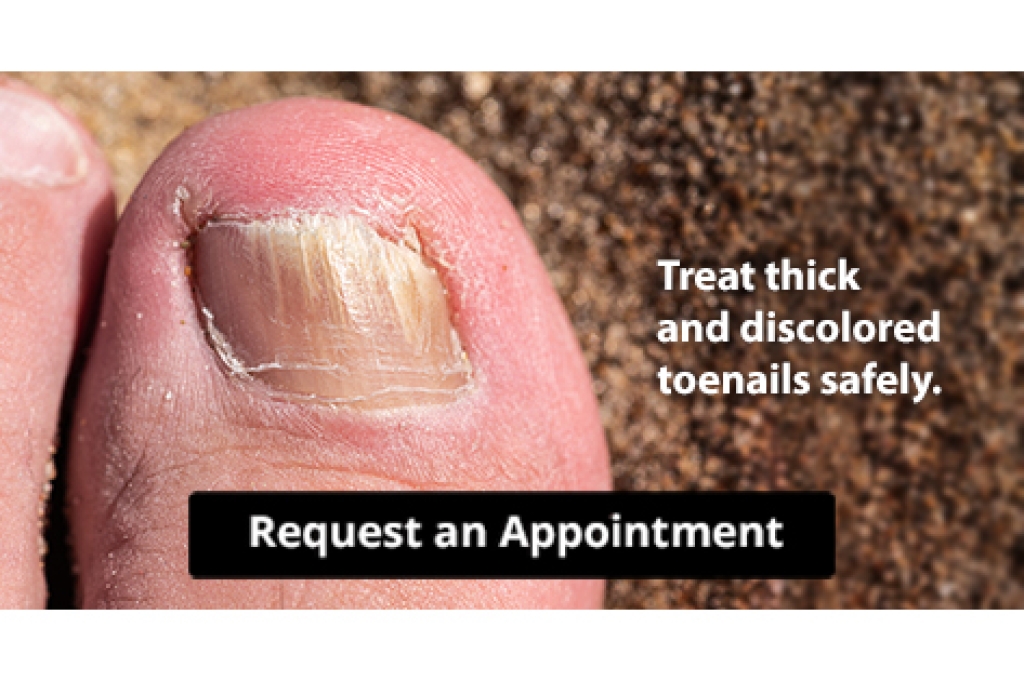
Stop Your Toenail Fungus

Have you noticed discoloration of your toenails? Have they become thickened or brittle? If so, you may be experiencing symptoms of a fungal nail infection. For some, having a fungal nail can be embarrassing. Overcome your embarrassment, and get treated.

An Effective Treatment Method For Broken Toes

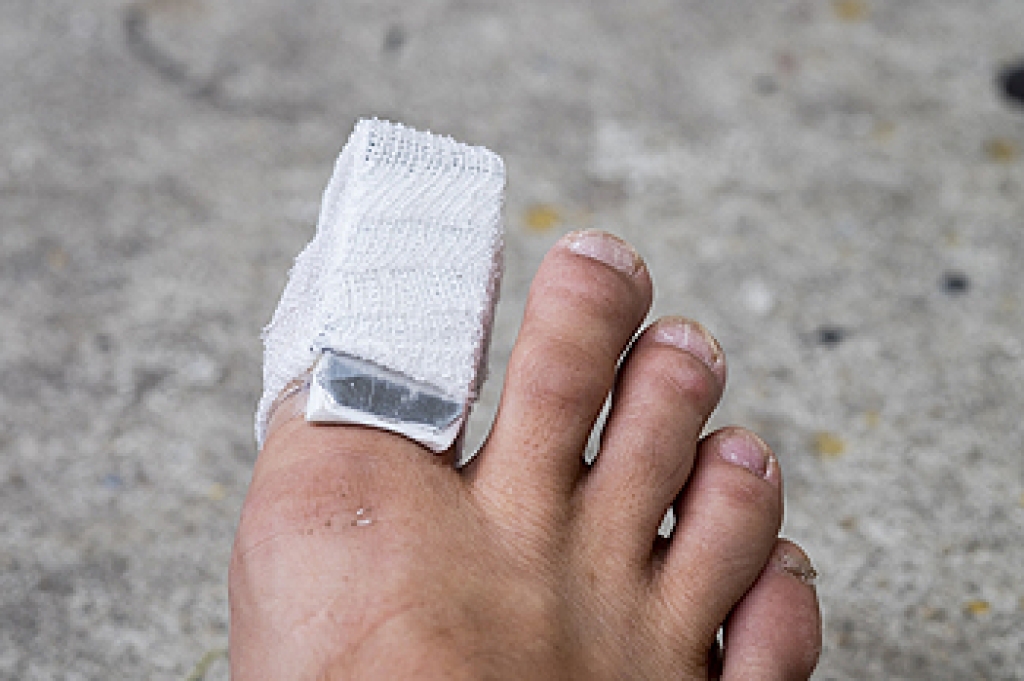
Common reasons why a broken toe can occur may be from stubbing it against a piece of furniture, or if a heavy object drops on it. In severe fractures, the patient may hear the bone as it cracks, and this most likely indicates that it is a broken toe. Some of the symptoms that are associated with this condition can include swelling, bruising, and the toe may tingle and feel numb. Many broken toes are treated by using the buddy taping method. This consists of taping the affected toe to the toe next to it. This is helpful in providing the necessary support as the healing process begins. If you feel you may have a broken toe, it is suggested that you consult with a podiatrist who can perform a proper diagnosis and offer correct treatment options.

A broken toe can be very painful and lead to complications if not properly fixed. If you have any concerns about your feet, contact Jeffrey Parrett, DPM from Parrett Podiatry. Our doctor will treat your foot and ankle needs.

What to Know About a Broken Toe

Although most people try to avoid foot trauma such as banging, stubbing, or dropping heavy objects on their feet, the unfortunate fact is that it is a common occurrence. Given the fact that toes are positioned in front of the feet, they typically sustain the brunt of such trauma. When trauma occurs to a toe, the result can be a painful break (fracture).

Symptoms of a Broken Toe

  • Throbbing pain
  • Swelling
  • Bruising on the skin and toenail
  • The inability to move the toe
  • Toe appears crooked or disfigured
  • Tingling or numbness in the toe

Generally, it is best to stay off of the injured toe with the affected foot elevated.

Severe toe fractures may be treated with a splint, cast, and in some cases, minor surgery. Due to its position and the pressure it endures with daily activity, future complications can occur if the big toe is not properly treated.

If you have any questions, please feel free to contact our office located in Waxahachie, TX . We offer the newest diagnostic and treatment technologies for all your foot care needs.

Read more about What to Know About a Broken Toe

Causes of Foot Arch Pain

Foot arch pain is discomfort that develops in the curved middle part of the foot and can interfere with walking and daily activities. Common causes include plantar fasciitis, foot cramps from overuse or dehydration, and tarsal tunnel syndrome which compresses nerves in the ankle. Symptoms may include aching, burning, or sharp pain that worsens with standing or activity. Risk factors include flat feet, high arches, obesity, and wearing improper footwear. A podiatrist can help by diagnosing the exact cause, providing custom orthotics, offering treatment options, and guiding exercises to strengthen the foot. If you have persistent foot arch pain, it is suggested that you schedule a visit with a podiatrist who can accurately diagnose and offer appropriate treatment solutions.

Foot Pain

Foot pain can be extremely painful and debilitating. If you have a foot pain, consult with Jeffrey Parrett, DPM from Parrett Podiatry. Our doctor will assess your condition and provide you with quality foot and ankle treatment.

Causes

Foot pain is a very broad condition that could be caused by one or more ailments. The most common include:

  • Bunions
  • Hammertoes
  • Plantar Fasciitis
  • Bone Spurs
  • Corns
  • Tarsal Tunnel Syndrome
  • Ingrown Toenails
  • Arthritis (such as Gout, Rheumatoid, and Osteoarthritis)
  • Flat Feet
  • Injury (from stress fractures, broken toe, foot, ankle, Achilles tendon ruptures, and sprains)
  • And more

Diagnosis

To figure out the cause of foot pain, podiatrists utilize several different methods. This can range from simple visual inspections and sensation tests to X-rays and MRI scans. Prior medical history, family medical history, and any recent physical traumatic events will all be taken into consideration for a proper diagnosis.

Treatment

Treatment depends upon the cause of the foot pain. Whether it is resting, staying off the foot, or having surgery; podiatrists have a number of treatment options available for foot pain.

If you have any questions, please feel free to contact our office located in Waxahachie, TX . We offer the newest diagnostic and treatment technologies for all your foot care needs.
Read more about Foot Pain

Common Reasons for Ingrown Toenails

Ingrown toenails occur when the edge of the nail grows into the surrounding skin, often causing pain and discomfort. The big toe is most commonly affected, and risk factors include improper trimming of the toenails, especially when nails are cut too short or rounded at the edges.  Wearing tight shoes that crowd the toes or frequent use of flip-flops, which allow too much motion and pressure, may also contribute. People with naturally curved or thickened toenails, as well as those with toe deformities or excessive foot sweating, are more prone to this problem. Ingrown toenails may lead to swelling, redness, infection, and difficulty walking, if not addressed promptly. A podiatrist can evaluate the severity of the condition, provide treatment to relieve pain, and, in advanced cases may perform surgery to correct the nail growth pattern. If you are experiencing pain from an ingrown toenail, it is suggested that you schedule an appointment with a podiatrist for effective treatment.

Ingrown toenails may initially present themselves as a minor discomfort, but they may progress into an infection in the skin without proper treatment. For more information about ingrown toenails, contact Jeffrey Parrett, DPM of Parrett Podiatry. Our doctor can provide the care you need to keep you pain-free and on your feet.

Ingrown Toenails

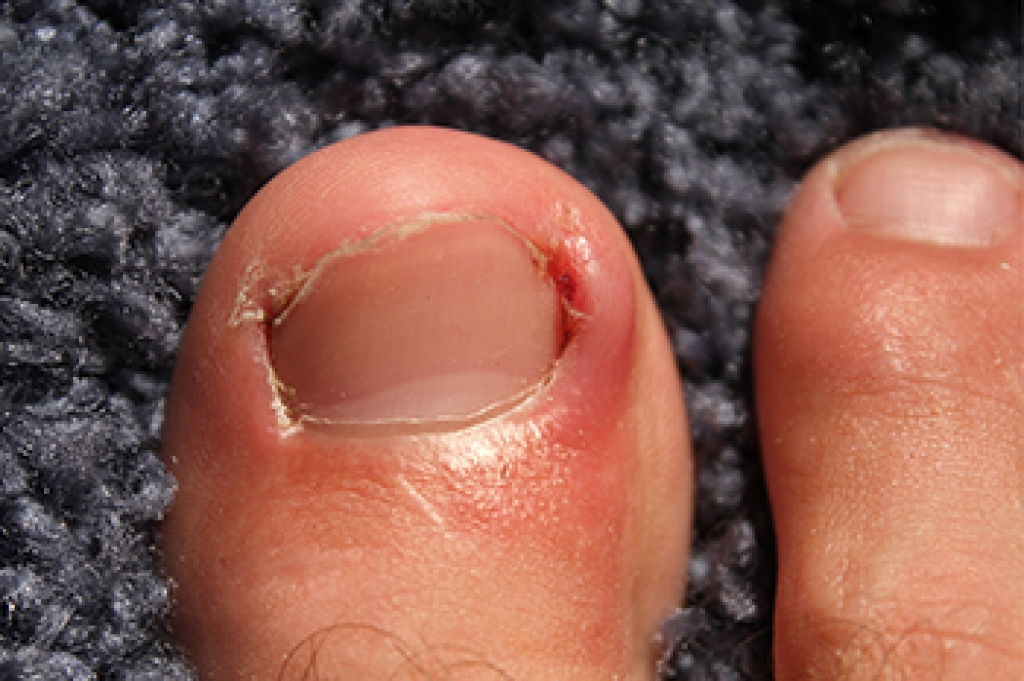
Ingrown toenails are caused when the corner or side of a toenail grows into the soft flesh surrounding it. They often result in redness, swelling, pain, and in some cases, infection. This condition typically affects the big toe and may recur if it is not treated properly.

Causes

  • Improper toenail trimming
  • Genetics
  • Improper shoe fitting
  • Injury from pedicures or nail picking
  • Abnormal gait
  • Poor hygiene

You are more likely to develop an ingrown toenail if you are obese, have diabetes, arthritis, or have any fungal infection in your nails. Additionally, people who have foot or toe deformities are at a higher risk of developing an ingrown toenail.

Symptoms

Some symptoms of ingrown toenails are redness, swelling, and pain. In rare cases, there may be a yellowish drainage coming from the nail.

Treatment

Ignoring an ingrown toenail can have serious complications. Infections of the nail border can progress to a deeper soft-tissue infection, which can then turn into a bone infection. You should always speak with your podiatrist if you suspect you have an ingrown toenail, especially if you have diabetes or poor circulation.

If you have any questions, please feel free to contact our office located in Waxahachie, TX . We offer the newest diagnostic and treatment technologies for all your foot care needs.

Read more about Ingrown Toenails
scroll to top