
Neuropathy is a condition that can lead to numbness or loss of sensation in the feet, but it can also cause pain. This condition is more likely to develop for those who are diabetic, obese, or with high blood pressure.
Neuropathy is a condition that can lead to numbness or loss of sensation in the feet, but it can also cause pain. This condition is more likely to develop for those who are diabetic, obese, or with high blood pressure.
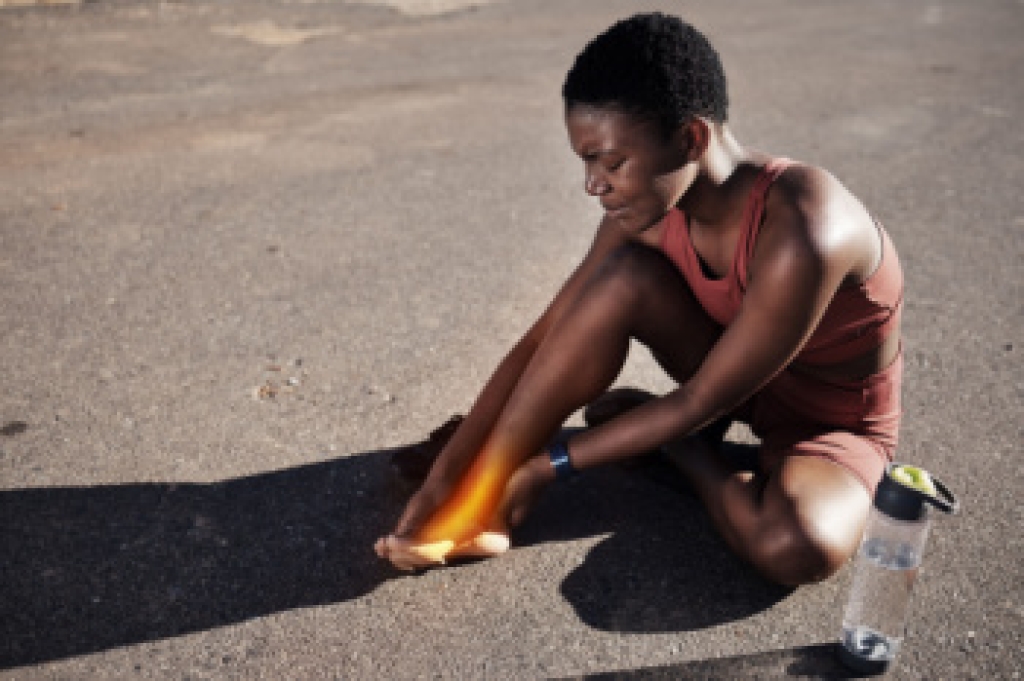
To maintain optimal foot health, men should incorporate care routines into their daily regimen. These practices are important for preventing common issues such as rough skin and nail problems. Regular moisturizing helps combat dryness and prevents calluses. Cleaning between the toes is important for preventing bacterial growth and conditions like athlete's foot. Proper footwear selection is also important, and this involves making sure shoes fit well and have soft padding to minimize friction and callus formation. Additionally, trimming toenails straight across and exfoliating feet regularly with a body scrub can help maintain overall foot health. Wearing sandals or shoes in communal areas like gyms and public showers is important to prevent fungal infections. Finally, incorporating body powder into the routine can aid in absorbing excess moisture and alleviating discomfort, particularly for those who lead active lifestyles. If you have persistent pain, skin issues, or an infection on your feet, it is suggested that you make an appointment with a podiatrist for an examination and any treatment deemed necessary.
Everyday foot care is very important to prevent infection and other foot ailments. If you need your feet checked, contact Jeffrey Parrett, DPM from Parrett Podiatry. Our doctor can provide the care you need to keep you pain-free and on your feet.
Everyday Foot Care
Often, people take care of their bodies, face and hair more so than they do for their feet. But the feet are a very important aspect of our bodies, and one that we should pay more attention to. Without our feet, we would not be able to perform most daily tasks.
It is best to check your feet regularly to make sure there are no new bruises or cuts that you may not have noticed before. For dry feet, moisturizer can easily be a remedy and can be applied as often as necessary to the affected areas. Wearing shoes that fit well can also help you maintain good foot health, as well as making it easier to walk and do daily activities without the stress or pain of ill-fitting shoes, high heels, or even flip flops. Wearing clean socks with closed shoes is important to ensure that sweat and bacteria do not accumulate within the shoe. Clean socks help to prevent Athlete’s foot, fungi problems, bad odors, and can absorb sweat.
If you have any questions, please feel free to contact our office located in Waxahachie, TX . We offer the newest diagnostic and treatment technologies for all your foot care needs.
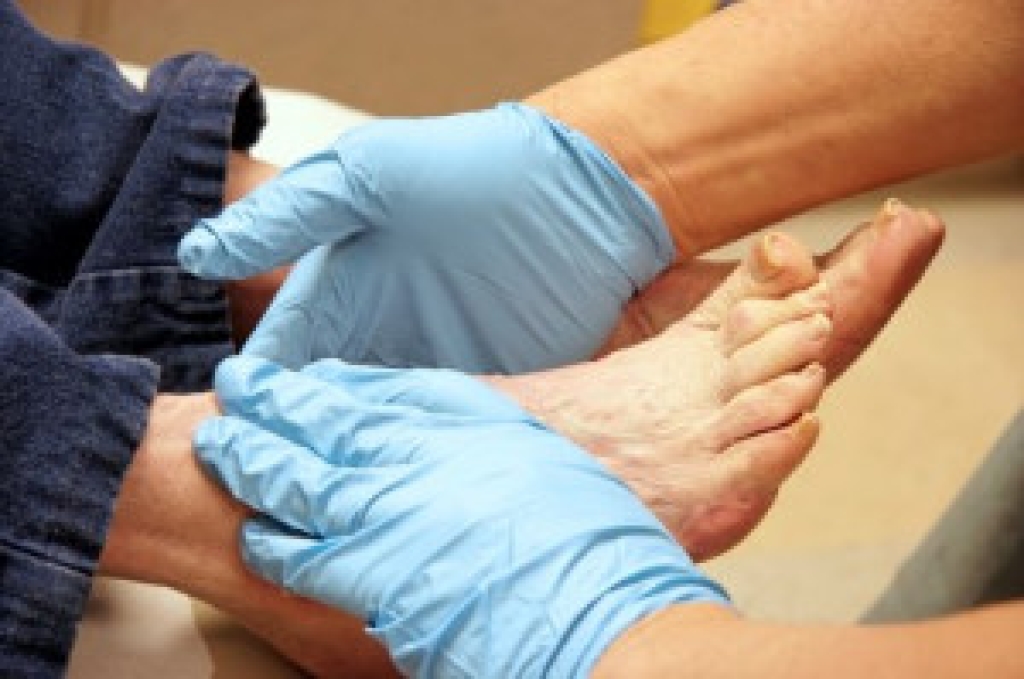
Diabetes raises the risk of foot ulcers, with a 40 percent five-year mortality rate. Limb salvage is preferred, but if a podiatrist finds that an amputation is necessary, partial-foot amputations, or PFAs, are preferred. PFAs offer better mobility and quality of life, but complications like re-ulceration persist. Assessing quality of life involves considering function and patient preferences. Shared decision-making integrates medical, psychological, and patient factors, which are critical for complex choices like limb salvage versus amputation. If you are a diabetic, it is strongly suggested that you make regular appointments with a podiatrist to have your feet routinely examined and problems dealt with as soon as possible. Preventing complications leading to limb-threatening conditions and improving quality of life is the goal.
Limb salvage can be an effective way in preventing the need for limb amputation. If you have diabetes, cancer, or any other condition that could lead to foot amputation if left unchecked, consult with Jeffrey Parrett, DPM from Parrett Podiatry. Our doctor will assess your condition and provide you with quality foot and ankle treatment.
What Is Limb Salvage?
Limb salvage is the attempt of saving a limb, such as the foot from amputation. Podiatrists also try to make sure that there is enough function in the foot after the salvage that it is still usable. Diabetes is the number one cause of non-traumatic amputations in the United States. Those with diabetes experience poor blood circulation, which prevents proper healing of an ulcer. If the ulcer is left uncheck, it could become infected, which could result in the need for amputation.
However, there are other causes as well, such as cancer and traumatic injury. Links between higher mortality rates and amputation have been found. This translates into higher healthcare costs, and a reduced quality of life and mobility for amputees. Podiatrists have attempted to increase the prevalence of limb salvage in an attempt to solve these issues.
Diagnosis and Treatment
Limb salvage teams have grown in recent years that utilize a number of different treatments to save the infected limb. This includes podiatrists that specialize in wound care, rehabilitation, orthotics, and surgery. Through a combination of these methods, limb salvage has been found to be an effective treatment for infected limbs, and as an alternative to amputation. Podiatrists will first evaluate the potential for limb salvage and determine if the limb can be saved or must be amputated.
If you have any questions, please feel free to contact our office located in Waxahachie, TX . We offer the newest diagnostic and treatment technologies for all your foot care needs.
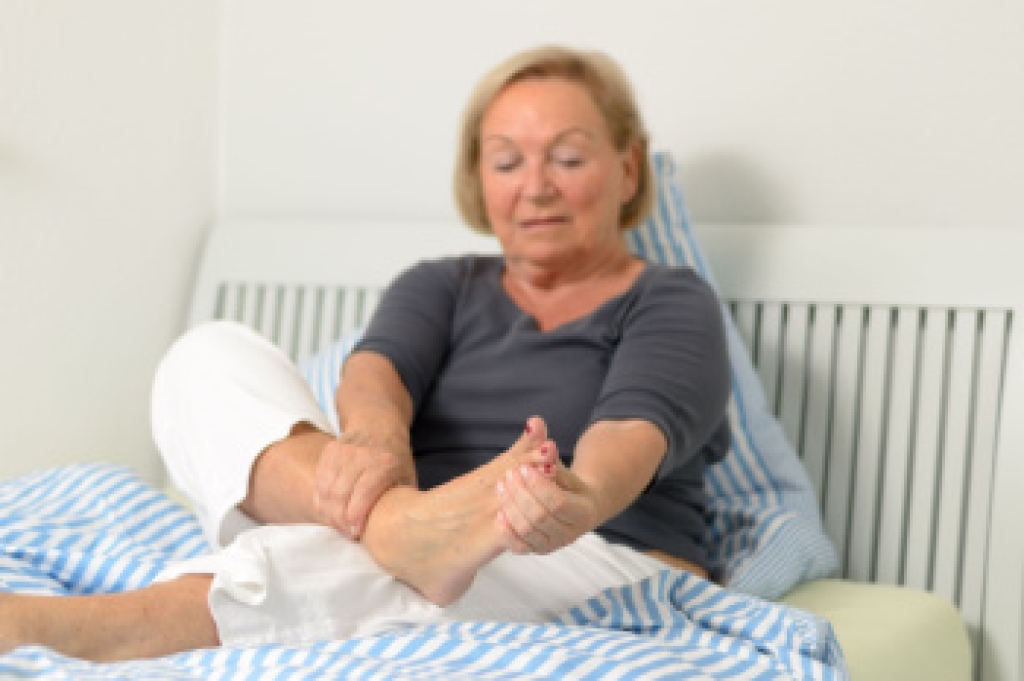
Gout, a form of arthritis, affects the feet due to high uric acid levels. It is well-studied, with genetics playing a significant role. Symptoms can range from none to acute attacks and chronic conditions. Diagnosis involves tests and imaging, such as finding monosodium urate, or MSU, crystals in fluid, and advanced scans help to monitor it. Treatment includes managing flares, chronic issues, and preventing future attacks. Medication, lifestyle changes, and education are key. If you have gout and it is affecting the joints of your feet, it is suggested that you are under the care of a podiatrist for a proper diagnosis and advice in managing this painful condition.
Gout is a painful condition that can be treated. If you are seeking treatment, contact Jeffrey Parrett, DPM from Parrett Podiatry. Our doctor will treat your foot and ankle needs.
What Is Gout?
Gout is a form of arthritis that is characterized by sudden, severe attacks of pain, redness, and tenderness in the joints. The condition usually affects the joint at the base of the big toe. A gout attack can occur at any random time, such as the middle of the night while you are asleep.
Symptoms
Risk Factors
Prior to visiting your podiatrist to receive treatment for gout, there are a few things you should do beforehand. If you have gout you should write down your symptoms--including when they started and how often you experience them, important medical information you may have, and any questions you may have. Writing down these three things will help your podiatrist in assessing your specific situation so that he or she may provide the best route of treatment for you.
If you have any questions, please feel free to contact our office located in Waxahachie, TX . We offer the newest diagnostic and treatment technologies for all your foot care needs.
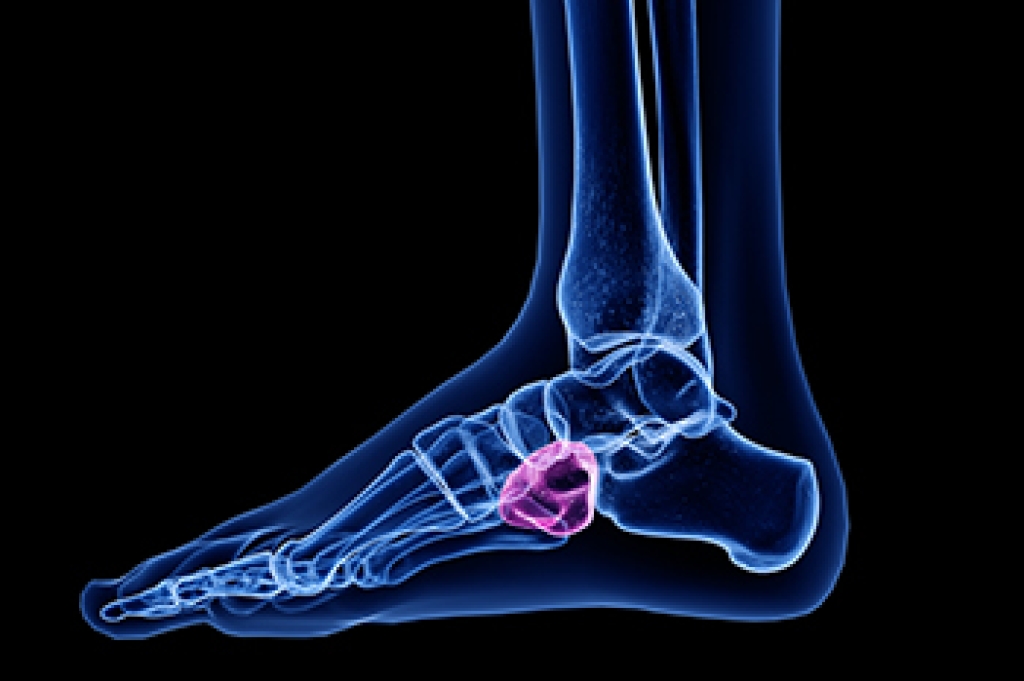 Cuboid syndrome is a foot condition in which the cuboid bone has been displaced due to stress on the foot. Someone with cuboid syndrome may experience pain on the outer side of the foot, particularly in the midfoot area, which can worsen with weight-bearing activities like walking or running. The patient’s foot may be swollen, tender to the touch, and difficult to stand on. Additionally, they might complain of discomfort or pain during sports and physical activity. Early recognition and intervention can help alleviate symptoms and prevent long-term complications, allowing patients to return to their normal activities. If you have any of these symptoms, it is suggested you seek medical attention from a podiatrist who can diagnose and treat the source of the pain.
Cuboid syndrome, also known as cuboid subluxation, occurs when the joints and ligaments near the cuboid bone in the foot become torn. If you have cuboid syndrome, consult with Jeffrey Parrett, DPM from Parrett Podiatry. Our doctor will assess your condition and provide you with quality foot and ankle treatment.
Cuboid syndrome is a common cause of lateral foot pain, which is pain on the outside of the foot. The condition may happen suddenly due to an ankle sprain, or it may develop slowly overtime from repetitive tension through the bone and surrounding structures.
Causes
The most common causes of cuboid syndrome include:
Symptoms
A common symptom of cuboid syndrome is pain along the outside of the foot which can be felt in the ankle and toes. This pain may create walking difficulties and may cause those with the condition to walk with a limp.
Diagnosis
Diagnosis of cuboid syndrome is often difficult, and it is often misdiagnosed. X-rays, MRIs and CT scans often fail to properly show the cuboid subluxation. Although there isn’t a specific test used to diagnose cuboid syndrome, your podiatrist will usually check if pain is felt while pressing firmly on the cuboid bone of your foot.
Treatment
Just as the range of causes varies widely, so do treatments. Some more common treatments are ice therapy, rest, exercise, taping, and orthotics.
If you have any questions, please feel free to contact our office located in Waxahachie, TX . We offer the newest diagnostic and treatment technologies for all your foot care needs.
