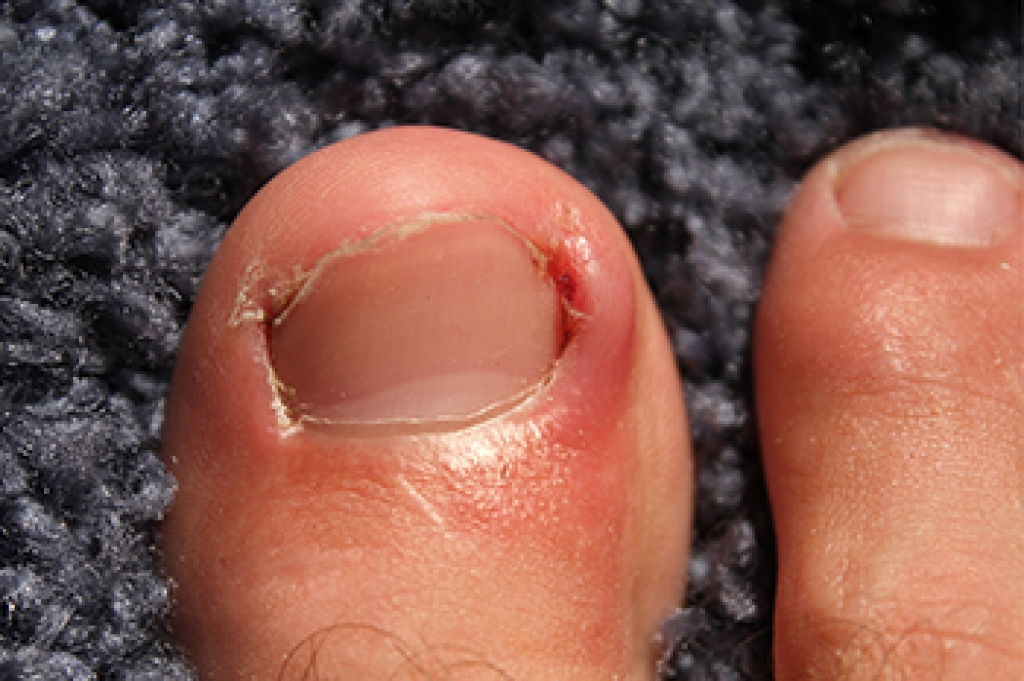
Wounds That Don't Heal Need to Be Checked

Your feet are covered most of the day. If you're diabetic, periodic screening is important for good health. Numbness is often a sign of diabetic foot and can mask a sore or wound.

Common Reasons for Ankle Pain Upon Waking

Waking up with ankle pain can be caused by several factors. One common reason is the dawn phenomenon, which refers to increased inflammation and stiffness that occurs in the early morning, often due to the body’s natural circadian rhythms. Arthritis, particularly osteoarthritis, can lead to morning ankle pain as the joints become stiff overnight, making movement difficult. Inflammation caused by overuse, poor posture, or injury can also contribute to discomfort. Plantar fasciitis, a condition that affects the bottom of the foot, can also cause pain in the ankle area, especially in the morning when taking the first few steps. This pain is often sharp and decreases with movement as the tissues loosen up. If you are experiencing any type of ankle pain, it is strongly suggested that you contact a podiatrist who can determine what the cause is, and offer appropriate treatment solutions.

Ankle pain can be caused by a number of problems and may be potentially serious. If you have ankle pain, consult with Jeffrey Parrett, DPM from Parrett Podiatry. Our doctor will assess your condition and provide you with quality foot and ankle treatment.

Ankle pain is any condition that causes pain in the ankle. Due to the fact that the ankle consists of tendons, muscles, bones, and ligaments, ankle pain can come from a number of different conditions.

Causes

The most common causes of ankle pain include:

  • Types of arthritis (rheumatoid, osteoarthritis, and gout)
  • Ankle sprains
  • Broken ankles
  • Achilles tendonitis
  • Achilles tendon rupture
  • Stress fractures
  • Bursitis
  • Tarsal tunnel syndrome
  • Plantar fasciitis

Symptoms

Symptoms of ankle injury vary based upon the condition. Pain may include general pain and discomfort, swelling, aching, redness, bruising, burning or stabbing sensations, and/or loss of sensation.

Diagnosis

Due to the wide variety of potential causes of ankle pain, podiatrists will utilize a number of different methods to properly diagnose ankle pain. This can include asking for personal and family medical histories and of any recent injuries. Further diagnosis may include sensation tests, a physical examination, and potentially x-rays or other imaging tests.

Treatment

Just as the range of causes varies widely, so do treatments. Some more common treatments are rest, ice packs, keeping pressure off the foot, orthotics and braces, medication for inflammation and pain, and surgery.

If you have any questions please feel free to contact our office located in Waxahachie, TX . We offer the newest diagnostic tools and technology to treat your foot and ankle needs.

Read more about Ankle Pain

Where Gout Develops and What Tophi Are

Gout is a form of arthritis caused by the buildup of uric acid crystals in the joints, leading to sudden and intense pain, redness, and swelling. It most commonly develops in the big toe, causing intense pain and discomfort. The accumulation of uric acid occurs when the body produces too much or fails to eliminate enough, resulting in the formation of sharp crystals that deposit in the joints. Over time, if gout is left untreated, it can lead to the formation of tophi, which are lumps or deposits of uric acid crystals under the skin. Tophi can appear around joints and can cause permanent damage to the affected areas if not properly managed. Prompt treatment and lifestyle changes can help manage gout and prevent the development of tophi. If you have developed gout, it is suggested that you are under the care of a podiatrist who can help you to manage this painful condition.

Gout is a painful condition that can be treated. If you are seeking treatment, contact Jeffrey Parrett, DPM from Parrett Podiatry. Our doctor will treat your foot and ankle needs.

What Is Gout?

Gout is a form of arthritis that is characterized by sudden, severe attacks of pain, redness, and tenderness in the joints. The condition usually affects the joint at the base of the big toe. A gout attack can occur at any random time, such as the middle of the night while you are asleep.

Symptoms

  • Intense Joint Pain - Usually around the large joint of your big toe, and it most severe within the first four to twelve hours
  • Lingering Discomfort - Joint discomfort may last from a few days to a few weeks
  • Inflammation and Redness -Affected joints may become swollen, tender, warm and red
  • Limited Range of Motion - May experience a decrease in joint mobility

Risk Factors

  • Genetics - If family members have gout, you’re more likely to have it
  • Medications - Diuretic medications can raise uric acid levels
  • Gender/Age - Gout is more common in men until the age of 60. It is believed that estrogen protects women until that point
  • Diet - Eating red meat and shellfish increases your risk
  • Alcohol - Having more than two alcoholic drinks per day increases your risk
  • Obesity - Obese people are at a higher risk for gout

Prior to visiting your podiatrist to receive treatment for gout, there are a few things you should do beforehand. If you have gout you should write down your symptoms--including when they started and how often you experience them, important medical information you may have, and any questions you may have. Writing down these three things will help your podiatrist in assessing your specific situation so that he or she may provide the best route of treatment for you.

If you have any questions, please feel free to contact our office located in Waxahachie, TX . We offer the newest diagnostic and treatment technologies for all your foot care needs.

Read more about Everything You Need to Know About Gout

Types of 5th Metatarsal Fractures

The 5th metatarsal is the bone on the outer edge of the foot that connects the midfoot to the base of the pinky toe. One common injury to the 5th metatarsal is an avulsion fracture, where a tendon pulls off a small piece of bone from its base. It is also known as a pseudo-Jones fracture. This is often caused by a sudden inward roll of the foot during activities like sports or stepping awkwardly. Symptoms of an avulsion fracture include pain, swelling, and bruising on the outside of the foot, and walking may be difficult. A pseudo-Jones fracture is sometimes confused with Jones fractures, which involve a break in the shaft of the fifth metatarsal bone. These two fractures require different treatments. A pseudo-Jones fracture often heals with a walking boot or cast, while Jones fractures may require surgery. A podiatrist can identify the type of fracture through an exam and X-rays in order to recommend the best treatment. If you have injured your 5th metatarsal, it is suggested that you make an appointment with a podiatrist for the appropriate care.

A broken foot requires immediate medical attention and treatment. If you need your feet checked, contact Jeffrey Parrett, DPM from Parrett Podiatry. Our doctor can provide the care you need to keep you pain-free and on your feet.

Broken Foot Causes, Symptoms, and Treatment

A broken foot is caused by one of the bones in the foot typically breaking when bended, crushed, or stretched beyond its natural capabilities. Usually the location of the fracture indicates how the break occurred, whether it was through an object, fall, or any other type of injury. 

Common Symptoms of Broken Feet:

  • Bruising
  • Pain
  • Redness
  • Swelling
  • Blue in color
  • Numbness
  • Cold
  • Misshapen
  • Cuts
  • Deformities

Those that suspect they have a broken foot shoot seek urgent medical attention where a medical professional could diagnose the severity.

Treatment for broken bones varies depending on the cause, severity and location. Some will require the use of splints, casts or crutches while others could even involve surgery to repair the broken bones. Personal care includes the use of ice and keeping the foot stabilized and elevated.

If you have any questions, please feel free to contact our office located in Waxahachie, TX . We offer the newest diagnostic and treatment technologies for all your foot care needs.

Read more about Causes, Symptoms, and Treatment for a Broken Foot

Using a Brannock Device to Measure Feet

Measuring feet correctly using a Brannock device ensures that shoes fit properly, providing comfort and reducing the risk of foot problems. Begin by having the person stand upright with their weight evenly distributed on both feet. Place the Brannock device under the feet with the heel against the heel cup. Slide the arch gauge so that it rests just under the arch of the foot, ensuring it is snug but not tight. The length measurement is taken by sliding the heel piece to the back of the heel and reading the number on the scale. For width, use the sidebars to measure across the widest part of the foot, typically around the ball. Repeat the process for both feet, as one foot may be slightly larger than the other. These accurate measurements help in selecting the right shoe size for optimal fit and comfort. Wearing shoes that do not fit correctly can cause foot pain. If this has happened to you, it is suggested that you consult a podiatrist who can offer you treatment solutions and guide you on how to obtain the right shoe size.

Finding a properly-fitting shoe is important in reducing injuries and preventing foot problems. For more information about treatment, contact Jeffrey Parrett, DPM from Parrett Podiatry. Our doctor will treat your foot and ankle needs.

Proper Shoe Fitting

A common concern when it comes to foot health, having properly fitted shoes can help prevent injuries to the foot. Out feet affect our posture and gait, which in turn affects the biomechanics and overall bodily structure. With 33 joints, 26 bones, and over 100 ligaments, the potential for serious injury is much greater than one realizes. Although the feet cease growth in adulthood, they still change shape as they mature. Here are some factors to consider when it comes to investing in proper fitting shoes:

  • Be sure the shoes fit correctly right away
  • Ensure the ball of your foot fits comfortably in the widest portion of the shoes
  • Even though they may look fashionable, improper fitting shoes can either create adverse conditions or exacerbate existing ones you may already have
  • Walk along a carpeted surface to ensure the shoes comfortably fit during normal activity

Keeping in mind how shoes fit the biomechanics of your body, properly-fitting shoes are vitally important. Fortunately, it is not difficult to acquire footwear that fits correctly. Be sure to wear shoes that support the overall structure of your body. Do your feet a favor and invest in several pairs of well-fitted shoes today.

If you have any questions, please feel free to contact our office located in Waxahachie, TX . We offer the newest diagnostic and treatment technologies for all your foot care needs.

Read more about Proper Shoe Fitting
scroll to top