What to Expect in Healing From an Achilles Tendon Injury

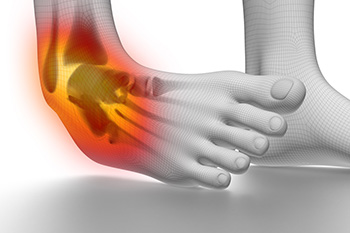
Achilles tendon injuries, though often underestimated, can be a formidable adversary in the realm of physical well-being. When the Achilles tendon, the largest one in the human body, succumbs to strain or trauma, a cascade of challenges unfolds. Expect a journey of patience and resilience as healing time can vary, requiring a delicate balance of rest and rehabilitation. The onset may start as a sudden sharp pain or a gradual ache, demanding attention to avoid making it worse. Mobility may be compromised, necessitating a change in daily activities. As the healing process unfolds, anticipate the gradual return to normalcy, guided by a comprehensive rehabilitation plan. Embrace the process, as understanding and managing expectations become vital companions on the path to recovery from Achilles tendon injuries. If you have endured an Achilles tendon injury, it is strongly suggested that you consult a podiatrist who can customize an appropriate treatment plan for you.

Achilles tendon injuries need immediate attention to avoid future complications. If you have any concerns, contact Jeffrey Parrett, DPM of Parrett Podiatry. Our doctor can provide the care you need to keep you pain-free and on your feet.

What Is the Achilles Tendon?

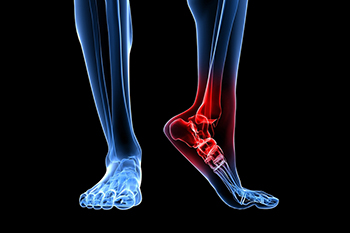
The Achilles tendon is a tendon that connects the lower leg muscles and calf to the heel of the foot. It is the strongest tendon in the human body and is essential for making movement possible. Because this tendon is such an integral part of the body, any injuries to it can create immense difficulties and should immediately be presented to a doctor.

What Are the Symptoms of an Achilles Tendon Injury?

There are various types of injuries that can affect the Achilles tendon. The two most common injuries are Achilles tendinitis and ruptures of the tendon.

Achilles Tendinitis Symptoms

  • Inflammation
  • Dull to severe pain
  • Increased blood flow to the tendon
  • Thickening of the tendon

Rupture Symptoms

  • Extreme pain and swelling in the foot
  • Total immobility

Treatment and Prevention

Achilles tendon injuries are diagnosed by a thorough physical evaluation, which can include an MRI. Treatment involves rest, physical therapy, and in some cases, surgery. However, various preventative measures can be taken to avoid these injuries, such as:

  • Thorough stretching of the tendon before and after exercise
  • Strengthening exercises like calf raises, squats, leg curls, leg extensions, leg raises, lunges, and leg presses

If you have any questions please feel free to contact our office located in Waxahachie, TX . We offer the newest diagnostic tools and technology to treat your foot and ankle needs.

Read more about What are Achilles Tendon Injuries

Understanding Arthritis-Induced Toe Pain

Arthritis, a condition characterized by inflammation and stiffness of the joints, can affect various parts of the body, including the toes. When arthritis strikes the toes, it can lead to persistent and often debilitating pain. The most common forms of arthritis that affect the toes are osteoarthritis and rheumatoid arthritis. Osteoarthritis, often associated with aging and wear and tear, causes the cartilage in the toe joints to break down, resulting in pain, swelling, and reduced mobility. Conversely, rheumatoid arthritis is an autoimmune disease that attacks the joints, leading to inflammation, pain, and deformities in the toes. This type of toe pain can be particularly challenging, as we rely on our toes for balance and mobility. It can affect daily activities such as walking, standing, and even wearing shoes comfortably. Understanding the nature of this pain is the first step toward finding relief and maintaining a good quality of life. If you have toe pain, it is strongly suggested that you are under the care of a podiatrist who can diagnose toe arthritis, and offer appropriate management options.

Toe pain can disrupt your daily activities. If you have any concerns, contact Jeffrey Parrett, DPM of Parrett Podiatry. Our doctor can provide the care you need to keep you pain-free and on your feet.

What Causes Toe Pain?

Most severe toe pain is caused due to a sports injury, trauma from dropping something heavy on the toe, or bumping into something rigid. Other problems can develop over time for various reasons.

Toe pain can be caused by one or more ailments. The most common include:

  • Trauma
  • Sports injury
  • Wearing shoes that are too tight
  • Arthritis
  • Gout
  • Corns and calluses
  • Hammertoe
  • Bunions
  • Blisters
  • Ingrown toenails
  • Sprains
  • Fractures (broken bones)
  • Dislocations

When to See a Podiatrist

  • Severe pain
  • Persistent pain that lasts more than a week
  • Signs of infection
  • Continued swelling
  • Pain that prevents walking

Diagnosis

In many cases the cause of toe pain is obvious, but in others, a podiatrist may want to use more advanced methods to determine the problem. These can range from simple visual inspections and sensation tests to X-rays and MRI scans. Prior medical history, family medical history, and any recent physical traumatic events will all be taken into consideration for a proper diagnosis.

Treatment

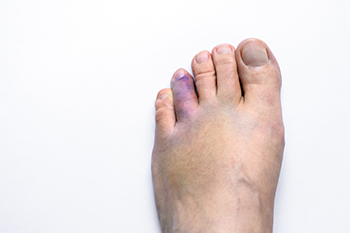
Treatments for toe pain and injuries vary and may include shoe inserts, padding, taping, medicines, injections, and in some cases, surgery. If you believe that you have broken a toe, please see a podiatrist as soon as possible.

If you have any questions please contact our office located in Waxahachie, TX . We offer the newest diagnostic and treatment technologies for all your foot and ankle needs.

Read more about Toe Pain

Causes and Symptoms of Foot Stress Fractures

Stress fractures, those tiny cracks in the bones of the feet, are a common concern for athletes, dancers, and anyone who spends a significant amount of time on their feet. These fractures are usually a result of repetitive stress and overuse, rather than sudden trauma. One primary cause of stress fractures is overexertion, often seen in athletes who increase their training intensity too quickly. Wearing Improper footwear or a sudden change in physical activity can also put undue stress on the bones. Inadequate nutrition and underlying conditions such as osteoporosis may weaken bones, making them more susceptible to fractures. Symptoms of a stress fracture typically include localized pain, swelling, and tenderness in the affected area. The pain usually worsens with activity and eases with rest. Left untreated, stress fractures can progress to chronic pain and complications, so early intervention is essential. Understanding the causes and recognizing these symptoms allows for prompt diagnosis and proper care, reducing the risk of more severe injuries and ensuring a quicker return to an active, pain-free lifestyle. If you have developed a foot stress fracture, it is suggested that you visit a podiatrist as quickly as possible who can effectively treat this condition.

Activities where too much pressure is put on the feet can cause stress fractures. To learn more, contact Jeffrey Parrett, DPM from Parrett Podiatry. Our doctor can provide the care you need to keep your pain free and on your feet.

Dealing with Stress Fractures of the Foot and Ankle

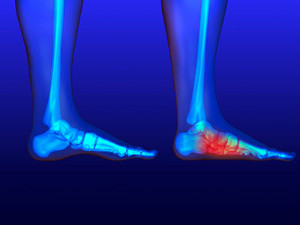
Stress fractures occur in the foot and ankle when muscles in these areas weaken from too much or too little use.  The feet and ankles then lose support when walking or running from the impact of the ground. Since there is no protection, the bones receive the full impact of each step. Stress on the feet can cause cracks to form in the bones, thus creating stress fractures.

What Are Stress Fractures?

Stress fractures occur frequently in individuals whose daily activities cause great impact on the feet and ankles. Stress factors are most common among:

  • Runners                                
  • People affected with Osteoporosis
  • Tennis or basketball players
  • Gymnasts
  • High impact workouts

Symptoms

Pain from the fractures occur in the area of the fractures and can be constant or intermittent. It will often cause sharp or dull pain with swelling and tenderness. Engaging in any kind of activity which involves high impact will aggravate pain.

If you have any questions please contact our office located in Waxahachie, TX . We offer the newest diagnostic and treatment technologies for all your foot and ankle needs.

Read more about Dealing with Stress Fractures of the Foot and Ankle

Changes in Your Toes May Signal Health Problems

Changes to your toes and toenails can serve as silent indicators of your overall health. They may reveal underlying health issues, such as arthritis, heart disease, anemia, and diabetes. Painful, inflamed toe joints could be a sign of arthritis, including rheumatoid arthritis, osteoarthritis, psoriatic arthritis, or gout. Clubbed toes, characterized by toe enlargement and curving toenails, may suggest lung or heart problems. Toenails that appear scooped out might be linked to anemia or autoimmune disorders. Tingling, burning, or numbness in your toes are common signs of peripheral neuropathy, often associated with diabetes. Be vigilant about changes in your toenails or the appearance of any suspicious moles, as melanoma can also affect your toes. Also, nail bed changes, like half-and-half nails, where half of the nail bed appears white while the other half is a shade of red, pink, or brown, may indicate kidney disease. Washed-out toenails, with white or pale nails and a pink or brown band, can point to liver conditions. These subtle indicators can provide valuable insights into your well-being and for that reason should not be ignored. If you have noticed distinct changes to your toes or toenails, it is suggested that you make an appointment with a podiatrist for an exam and diagnosis.

When dealing with systemic disease of the feet, it is extremely important to check the affected areas routinely so that any additional problems are caught quickly.  If you have any concerns about your feet and ankles contact Jeffrey Parrett, DPM from Parrett Podiatry. Our doctor will assist you with all of your podiatric needs.

Systemic Diseases of the Feet

Systemic diseases affect the whole body, and symptoms usually are displayed in the feet. This condition can make a patient’s ability to walk unbearable.  Systemic diseases include gout, diabetes mellitus, neurological disorders, and arthritis.

Gout – is caused by an excess of uric acid in the body. Common symptoms include pain, inflammation, and redness at the metatarsal/phalangeal joint of the base big toe. Gout can be treated by NSAIDs to relieve pain and inflammation, and other drugs that lower the acid levels in the body.

Diabetes mellitus – is an increase in the level of blood sugar that the body cannot counteract with its own insulin. Failure to produce enough insulin is a factor in Diabetes.

Diabetes of the Feet

Diabetic Neuropathy – may lead to damaged nerves and affect the feet through numbness and loss of sensation.

Peripheral Vascular Disease – can restrict the blood flow to the feet, and often times lead to amputation of the feet. 

If you have any questions please contact our office located in Waxahachie, TX . We offer the newest diagnostic and treatment technologies for all your foot and ankle needs.

Read more about Systemic Diseases of the Foot

Keep Your Feet Healthy So You Can Stay Active

Have your feet inspected by a professional before starting a new sport or physical activity. Taking charge of your foot health will keep you in good physical condition and can help you avoid a potential injury, such as a fracture or sprained ankle.

Prevent injuries and see a foot specialist.

scroll to top