Three Types of Ankle Sprains

Ankle sprains are common injuries classified into three types based on their degree and severity. A first-degree sprain is the mildest form, involving slight stretching or microscopic tearing of the ligament fibers. Symptoms include mild pain, swelling, and stiffness, with little to no instability in the ankle joint. A second-degree sprain is more severe, characterized by partial tearing of the ligament. This type results in moderate pain, swelling, and bruising, with some difficulty bearing weight and noticeable instability in the ankle. The most severe is a third-degree sprain, where the ligament is completely torn. This causes significant pain, swelling, and bruising, in addition to a substantial loss of function and stability in the ankle. Recovery times vary depending on the severity, with mild sprains healing within a few weeks and severe sprains potentially taking several months. If you have suffered a sprained ankle, it is suggested that you consult a podiatrist who can determine what type of sprain you have endured, and offer correct treatment for it. 

Ankle sprains are common but need immediate attention. If you need your feet checked, contact Jeffrey Parrett, DPM from Parrett Podiatry. Our doctor can provide the care you need to keep you pain-free and on your feet.

How Does an Ankle Sprain Occur?

Ankle sprains take place when the ligaments in your ankle are torn or stretched beyond their limits. There are multiple ways that the ankle can become injured, including twisting or rolling over onto your ankle, putting undue stress on it, or causing trauma to the ankle itself.

What Are the Symptoms?

  • Mild to moderate bruising
  • Limited mobility
  • Swelling
  • Discoloration of the skin (depending on severity)

Preventing a Sprain

  • Wearing appropriate shoes for the occasion
  • Stretching before exercises and sports
  • Knowing your limits

Treatment of a Sprain

Treatment of a sprain depends on the severity.  Many times, people are told to rest and remain off their feet completely, while others are given an air cast. If the sprain is very severe, surgery may be required.

If you have suffered an ankle sprain previously, you may want to consider additional support such as a brace and regular exercises to strengthen the ankle.

If you have any questions please feel free to contact our office located in Waxahachie, TX . We offer the newest diagnostic tools and technology to treat your foot and ankle needs.

Read more about Ankle Sprains

Risk Factors for Feet While Playing Pickleball

Playing pickleball presents several risk factors for foot injuries. The sport's quick lateral movements and sudden stops can strain the feet, leading to sprains or fractures. Wearing improper shoes without adequate support or cushioning increases the likelihood of issues like plantar fasciitis and Achilles tendonitis. Playing on hard surfaces intensifies impact on the feet and can contribute to stress fractures over time. Insufficient warm-up or lack of conditioning can make the feet more susceptible to injury during play. Overuse from frequent games without adequate rest can increase these risks, leading to chronic foot problems. Maintaining foot health requires wearing appropriate shoes, practicing good conditioning, warming up properly, and allowing time for recovery. If you have injured your foot and ankle while playing pickleball, it is suggested that you visit a podiatrist for a comprehensive treatment plan.

Sports related foot and ankle injuries require proper treatment before players can go back to their regular routines. For more information, contact Jeffrey Parrett, DPM of Parrett Podiatry. Our doctor can provide the care you need to keep you pain-free and on your feet.

Sports Related Foot and Ankle Injuries

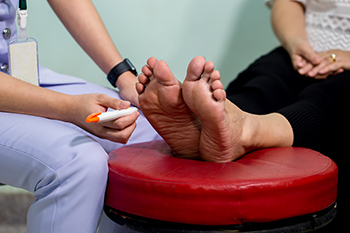
Foot and ankle injuries are a common occurrence when it comes to athletes of any sport. While many athletes dismiss the initial aches and pains, the truth is that ignoring potential foot and ankle injuries can lead to serious problems. As athletes continue to place pressure and strain the area further, a mild injury can turn into something as serious as a rupture and may lead to a permanent disability. There are many factors that contribute to sports related foot and ankle injuries, which include failure to warm up properly, not providing support or wearing bad footwear. Common injuries and conditions athletes face, including:

  • Plantar Fasciitis
  • Achilles Tendinitis
  • Achilles Tendon Rupture
  • Ankle Sprains

Sports related injuries are commonly treated using the RICE method. This includes rest, applying ice to the injured area, compression and elevating the ankle. More serious sprains and injuries may require surgery, which could include arthroscopic and reconstructive surgery. Rehabilitation and therapy may also be required in order to get any recovering athlete to become fully functional again. Any unusual aches and pains an athlete sustains must be evaluated by a licensed, reputable medical professional.

If you have any questions please contact our office located in Waxahachie, TX . We offer the newest diagnostic and treatment technologies for all your foot and ankle needs.
Read more about Sports Related Foot And Ankle Injuries

Are Bunions Affecting Your Everyday Life?

Have you noticed a bony protrusion on the side of your big toe? If so, you may have developed the foot condition known as a bunion. Don't let bunions interfere with your daily activities.

Common Warning Signs of Poor Foot Circulation

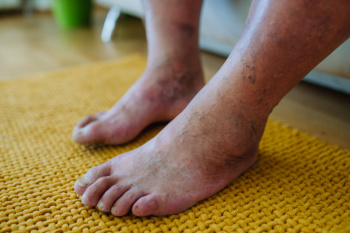
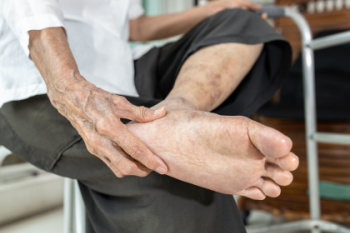
Poor foot circulation is a serious issue that can lead to various health complications if left untreated. Common warning signs include persistent coldness in the feet, even in warm environments. Numbness or tingling sensations, often described as pins and needles, can indicate circulation problems. Discoloration, such as a bluish or pale hue, may also be a sign of reduced blood flow. Swelling in the feet and ankles is another common symptom. Additionally, slow-healing sores or wounds on the feet can indicate poor circulation, as the necessary nutrients and oxygen are not efficiently reaching the area. Cramping or pain in the legs and feet, especially during physical activity, is another key indicator.  Poor foot circulation can indicate serious health issues. If you have this condition, it is suggested that you visit a podiatrist who can determine what the reason is, and offer effective management tips.

Poor circulation is a serious condition and needs immediate medical attention. If you have any concerns with poor circulation in your feet contact Jeffrey Parrett, DPM of Parrett Podiatry. Our doctor will treat your foot and ankle needs.

Poor Circulation in the Feet

Poor blood circulation in the feet and legs is can be caused by peripheral artery disease (PAD), which is the result of a buildup of plaque in the arteries.

Plaque buildup or atherosclerosis results from excess calcium and cholesterol in the bloodstream. This can restrict the amount of blood which can flow through the arteries. Poor blood circulation in the feet and legs are sometimes caused by inflammation in the blood vessels, known as vasculitis.

Causes

Lack of oxygen and oxygen from poor blood circulation restricts muscle growth and development. It can also cause:

  • Muscle pain, stiffness, or weakness 
  • Numbness or cramping in the legs
  • Skin discoloration
  • Slower nail & hair growth
  • Erectile dysfunction

Those who have diabetes or smoke are at greatest risk for poor circulation, as are those who are over 50. If you have poor circulation in the feet and legs it may be caused by PAD and is important to make changes to your lifestyle in order to reduce risk of getting a heart attack or stroke. Exercise and maintaining a healthy lifestyle will dramatically improve conditions.

As always, see a podiatrist as he or she will assist in finding a regimen that suits you. A podiatrist can also prescribe you any needed medication. 

If you have any questions, please feel free to contact our office located in Waxahachie, TX . We offer the newest diagnostic and treatment technologies for all your foot care needs.

Read more about Causes, Symptoms, and Treatment of Poor Blood Circulation in the Feet

WhatI Is Sesamoiditis?

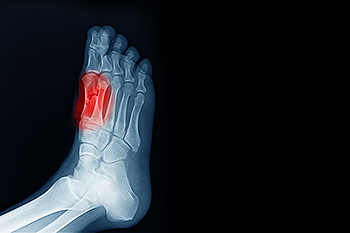
Sesamoiditis is a painful condition that affects the sesamoid bones, which are the small bones located beneath the big toe joint in the foot. These bones act as pulleys, aiding in movement and providing support for the tendons. Sesamoiditis occurs when these bones become inflamed or irritated, typically due to overuse or repetitive stress. Dancers, runners, and individuals who engage in activities that involve high impact on the feet are particularly susceptible to this condition. Common symptoms of sesamoiditis include pain and swelling surrounding the base of the big toe, which may worsen with activity and improve with rest. In some cases, there may be difficulty bending or straightening the big toe. If you have pain in this part of your foot, it is suggested that you visit a podiatrist who can accurately diagnose and treat sesamoiditis.

Sesamoiditis is an unpleasant foot condition characterized by pain in the balls of the feet. If you think you’re struggling with sesamoiditis, contact Jeffrey Parrett, DPM of Parrett Podiatry. Our doctor will treat your condition thoroughly and effectively.

Sesamoiditis

Sesamoiditis is a condition of the foot that affects the ball of the foot. It is more common in younger people than it is in older people. It can also occur with people who have begun a new exercise program, since their bodies are adjusting to the new physical regimen. Pain may also be caused by the inflammation of tendons surrounding the bones. It is important to seek treatment in its early stages because if you ignore the pain, this condition can lead to more serious problems such as severe irritation and bone fractures.

Causes of Sesamoiditis

  • Sudden increase in activity
  • Increase in physically strenuous movement without a proper warm up or build up
  • Foot structure: those who have smaller, bonier feet or those with a high arch may be more susceptible

Treatment for sesamoiditis is non-invasive and simple. Doctors may recommend a strict rest period where the patient forgoes most physical activity. This will help give the patient time to heal their feet through limited activity. For serious cases, it is best to speak with your doctor to determine a treatment option that will help your specific needs.

If you have any questions, please feel free to contact our office located in Waxahachie, TX . We offer the newest diagnostic and treatment technologies for all your foot care needs.

Read more about Sesamoiditis
scroll to top